A Place To Call Home →

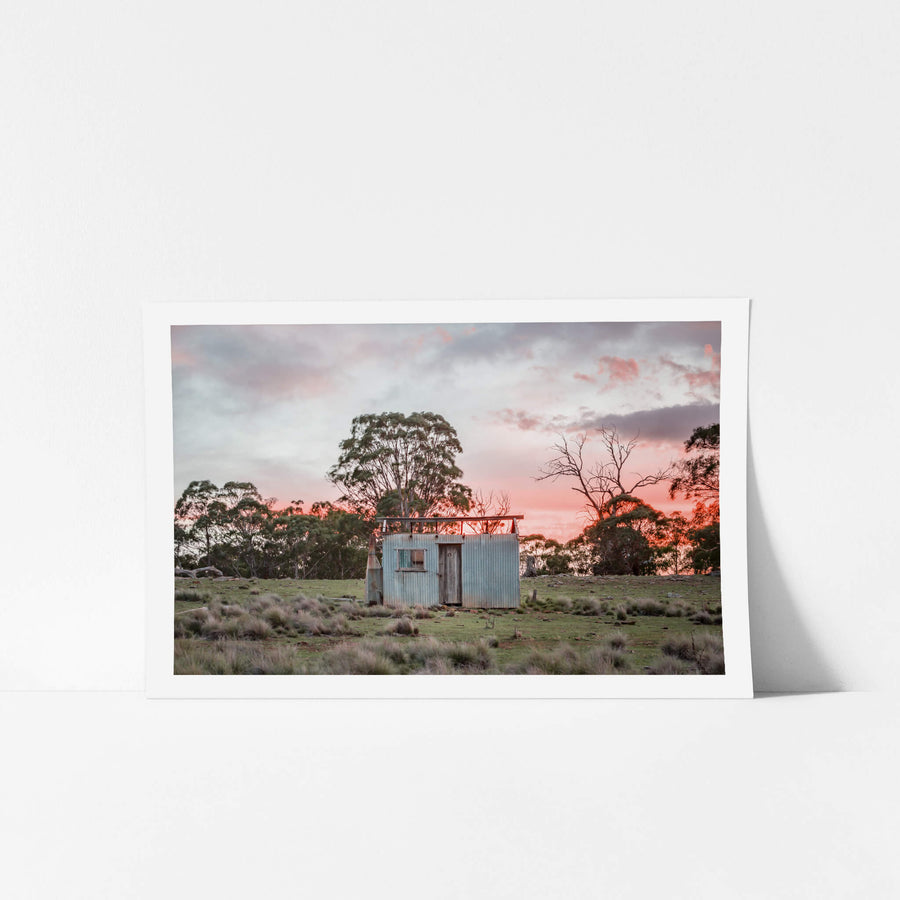
Gunningrah Drover's Hut

Rural New South Wales and ACT, Australia · Photographed in Rural New South Wales and ACT, 2015

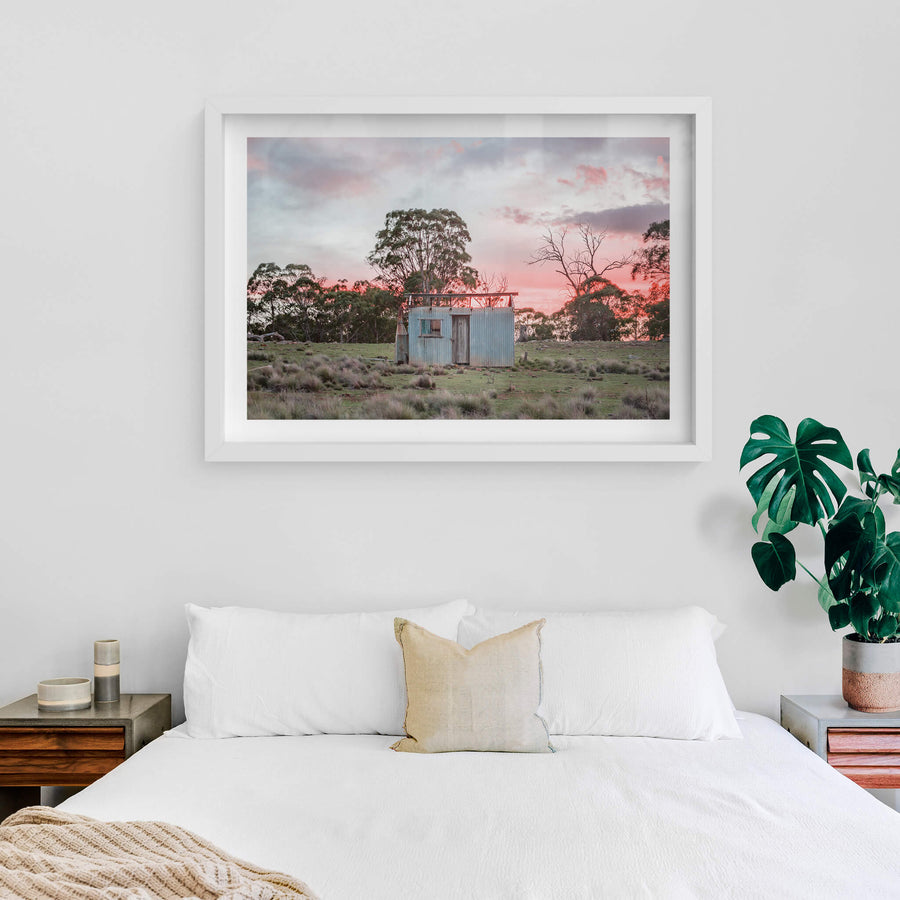
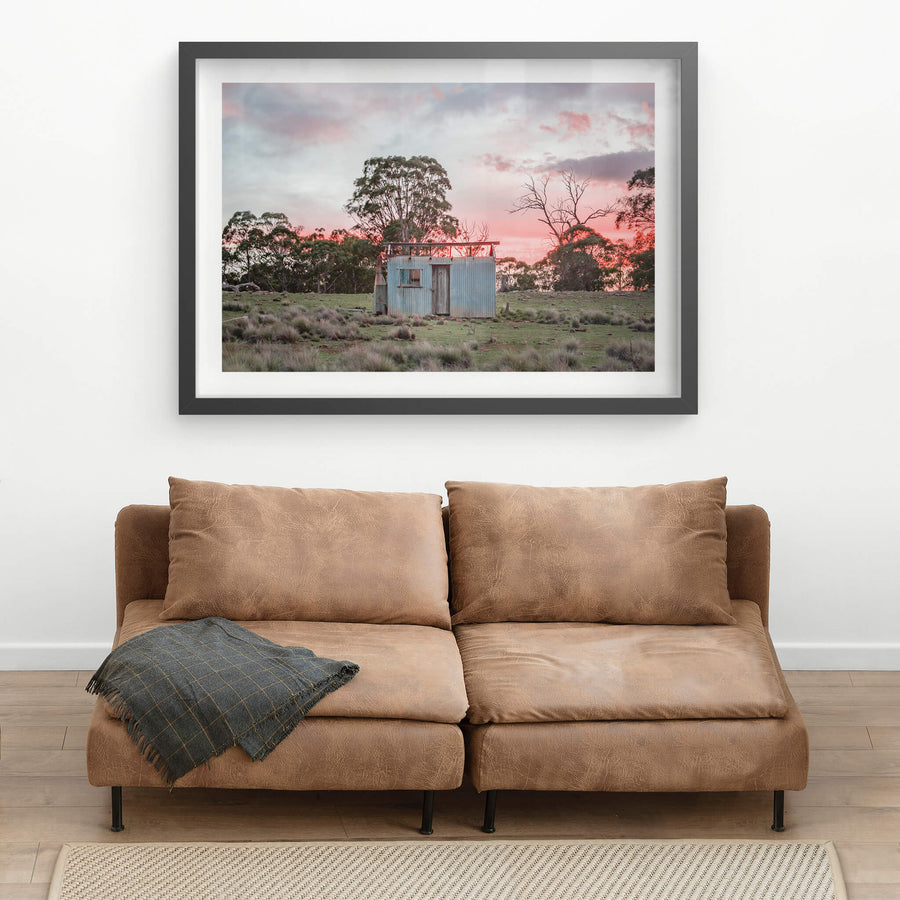
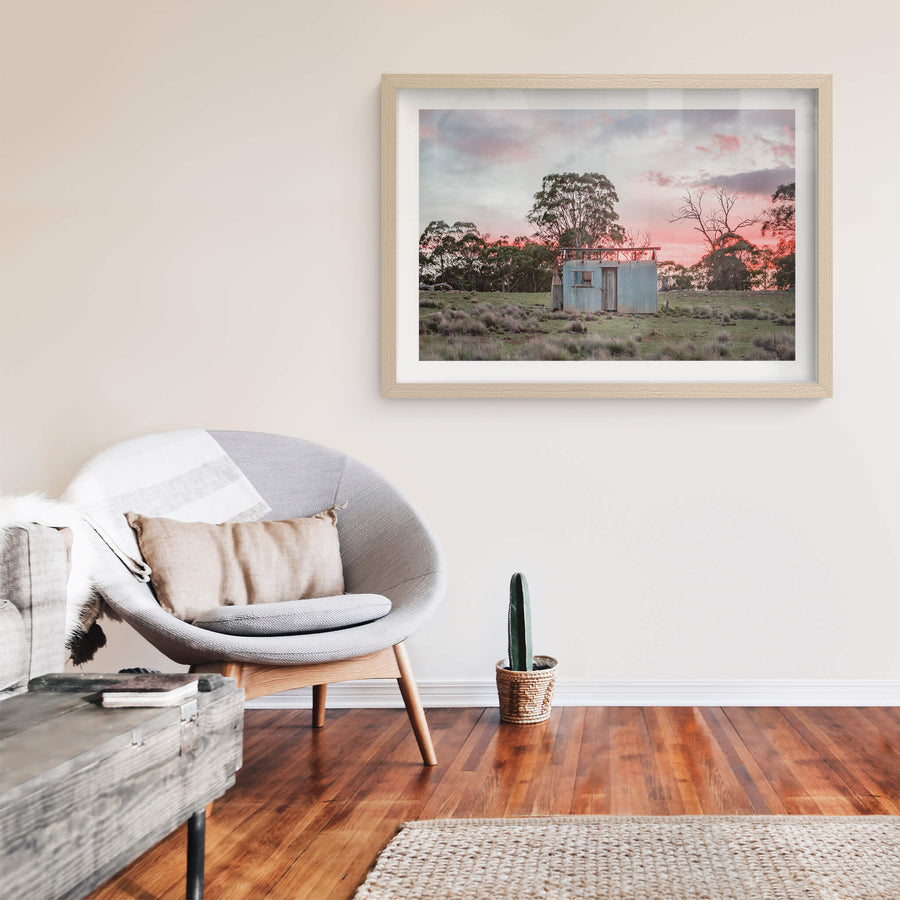
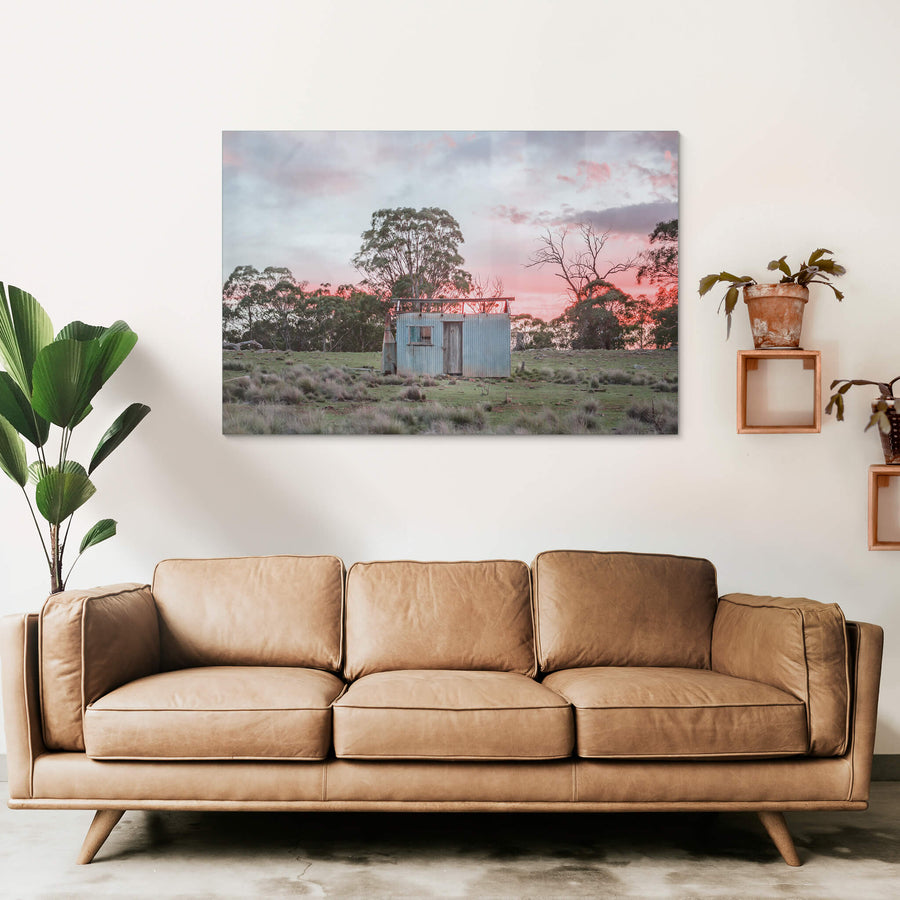
Gunningrah Drover's Hut, a small corrugated iron structure, stands weathered by time. It provided essential shelter for drovers working the vast pastoral lands. The isolated dwelling reflects a solitary life in rural Australia.
Edition Open edition

Open edition
Printed to order, no fixed quantity. Each print is hand-signed by the photographer.

Limited edition
A fixed number of prints exist. Once sold, the edition closes permanently. Each print is individually numbered and signed.

$50.00 AUD
Size XS
Type Unframed
Colour N/A

Ships within 10 business days · signed & numbered

In situ
unframedwhite frameblack frameraw frameglass

Print datasheet · certificate of authenticity

The data is the authenticity.

Paper
Ilford Smooth Cotton Rag 310 gsm
Process
Giclée
Paper size
290 × 200 mm
Year photographed
2015
Location
Rural New South Wales and ACT, Australia
Printed
Sydney, 2026

COA · Every print ships with a signed certificate, edition number and paper stock reference.

About this print

Gunningrah Drover's Hut is a small slab-walled hut in the high country of southern NSW, set on a slope above a creek. The hut is timber-framed with vertical hardwood slabs forming the walls. The roof is corrugated iron, low-pitched. A single timber door is set into the front wall. There are no windows; light enters through gaps between the slabs and around the eaves. A small chimney pokes from one end. The hut sits in scrubby grass with eucalypts close behind. Near the front door is a pile of split firewood, partially weathered.

Drovers' huts were the original infrastructure of cattle and sheep work in the high country. Built every twenty kilometres or so along established stock routes, they gave drovers somewhere to spend the night with a fire and a roof while the stock grazed nearby. The hut at Gunningrah dates from somewhere in the late nineteenth or early twentieth century. It is no longer used for droving, since that practice has largely ended, but the hut is still standing, partly maintained by the property owner and partly used by bushwalkers. The firewood pile by the door is current. Whoever last used the hut left it ready for the next person.