
Safe Handle
Provenance
- Camera
- NIKON D7000
- Lens
- 24.0-70.0 mm f/2.8
- Settings
- 105mm · f/2.8 · 1/3 · ISO 100
- Paper
- Ilford Galerie Smooth Cotton Rag 310 gsm
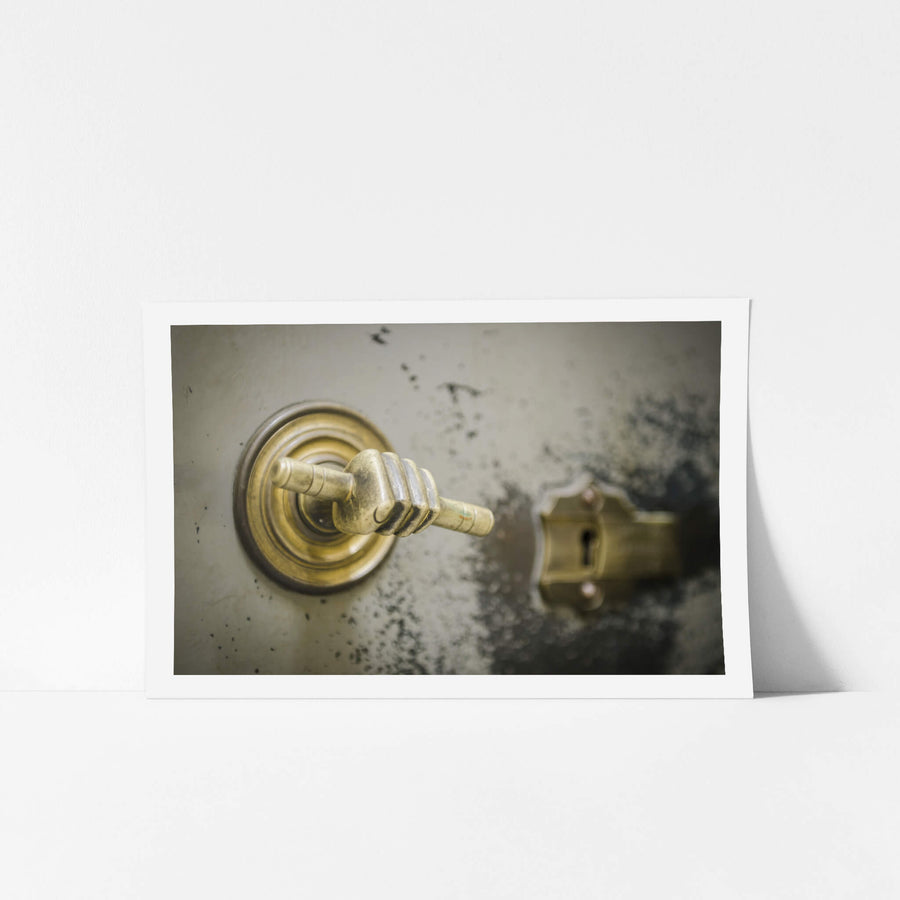
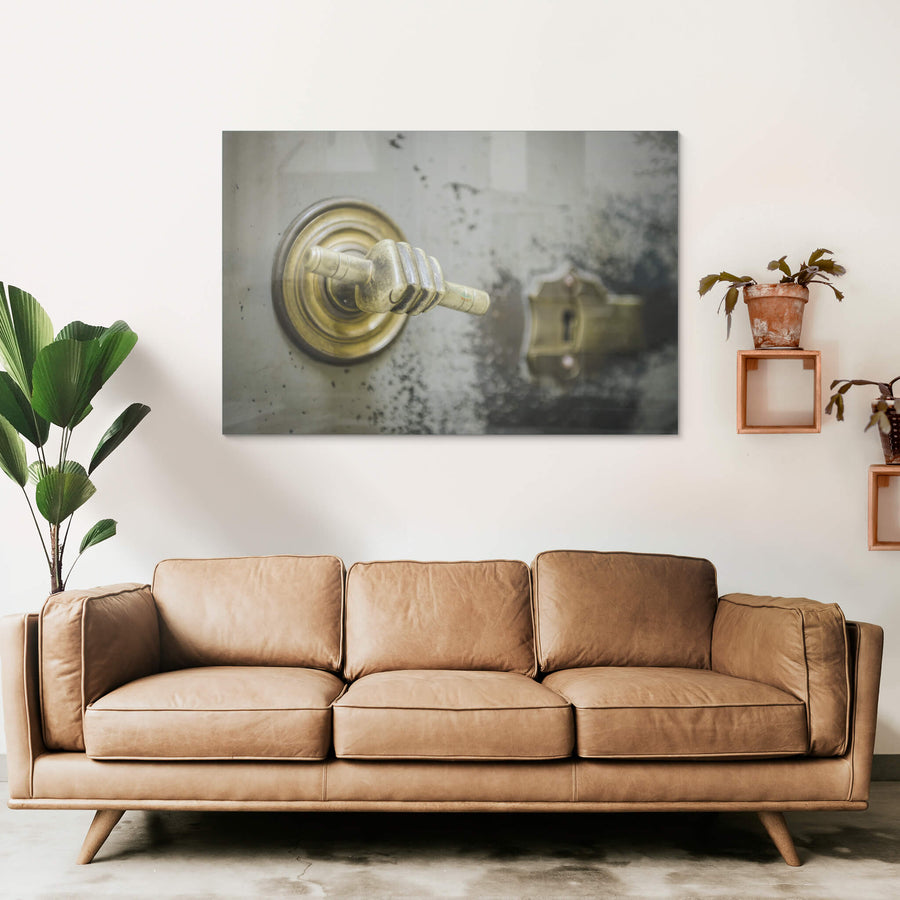
A brass handle cast in the shape of a clenched fist sits against the mottled surface of a safe door inside the control room at West Ryde Pumping Station. A keyhole is visible to the right. Both elements are sharp against a softly blurred background. The patina on the handle and the surrounding metalwork points to long, continuous use.
Open edition
Printed to order, no fixed quantity. Each print is hand-signed by the photographer.
Limited edition
A fixed number of prints exist. Once sold, the edition closes permanently. Each print is individually numbered and signed.
Shipping Free shipping over $250. Ships worldwide, rates calculated at checkout.
Returns Damaged in transit? We replace it. Full policy →
Ships within 10 business days · signed & numbered
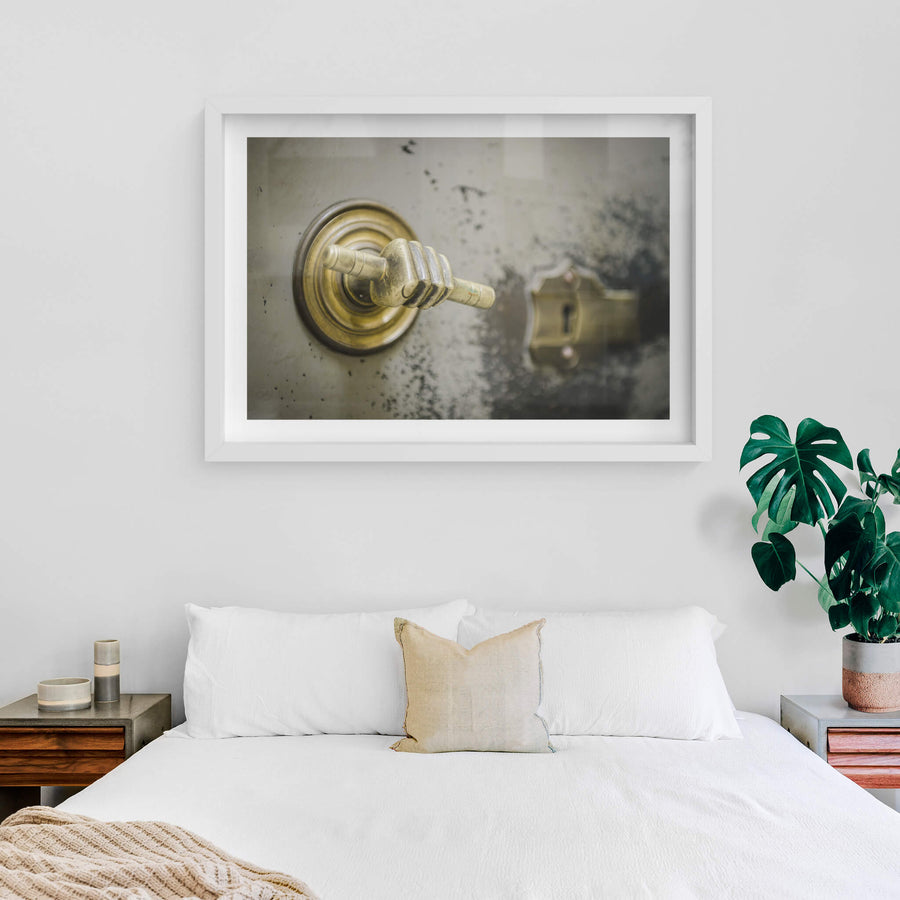
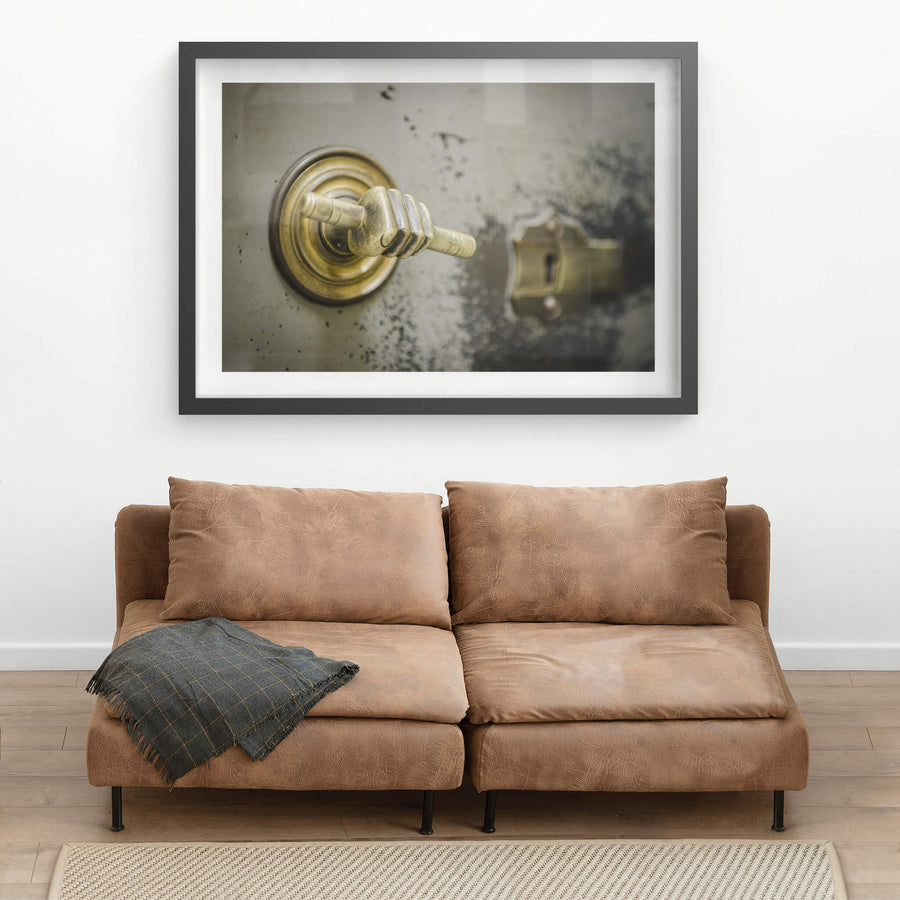
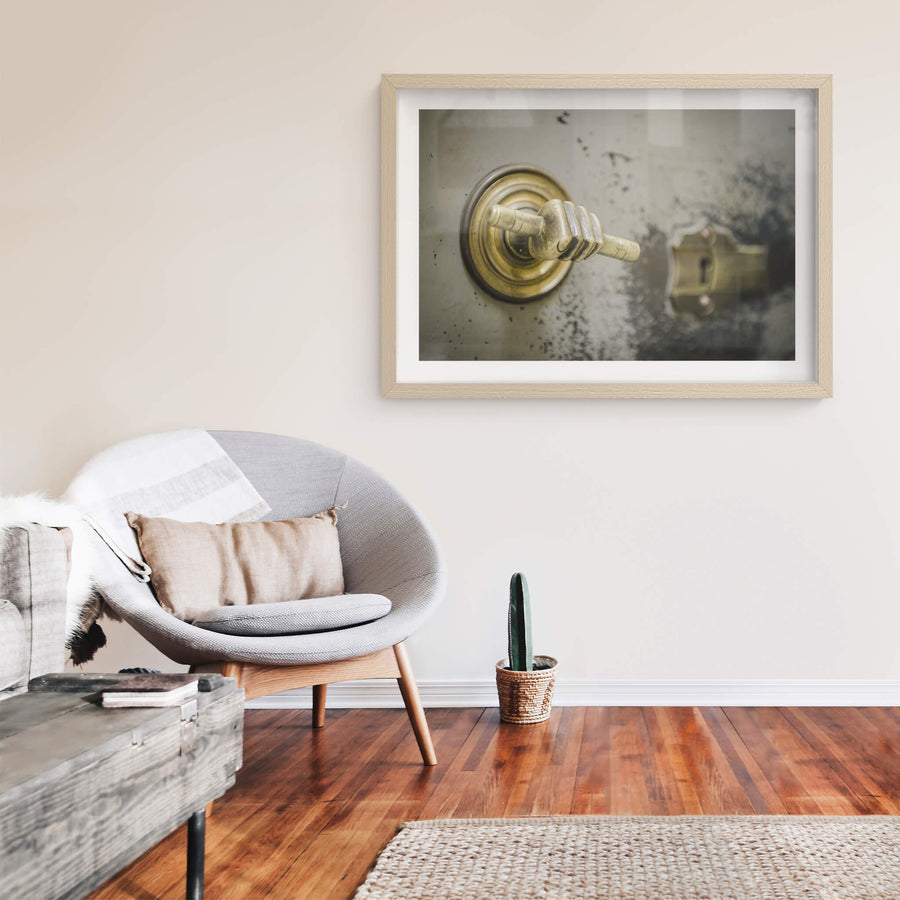
In situ
Print datasheet
- Title
- Safe Handle
- Series
- West Ryde Pumping Station
- Catalogue
- WRP-017
- Process
- Giclée
- Captured
- 26 August 2015
- Camera
- NIKON D7000
- Lens
- 24.0-70.0 mm f/2.8
- Aperture
- f/2.8
- Shutter
- 1/3 s
- ISO
- 100
- Focal length
- 105 mm
- Paper
- Ilford Galerie Smooth Cotton Rag 310 gsm
- Paper size
- 297 × 210 mm
- Location
- West Ryde, New South Wales, Australia
- Authenticity
- C2PA verified provenance →
- Recognised by
- Highly Commended in Multimedia at the 2016 National Trust of Australia (NSW) Heritage Awards
West Ryde, New South Wales, Australia
Map · Mapbox · OpenStreetMap
About this print
Inside West Ryde Pumping Station, a safe handle grips a heavy door in one of the complex's disused sections. The station has operated continuously since Station No. 2 was commissioned in 1921, but not every room has stayed in active use. In the spaces that have been left alone, fittings like this one have been quietly deteriorating, held in place by the weight of the door and not much else. The corrosion across the handle's surface records the years since anyone last turned it.
Brett Patman

The series
West Ryde Pumping Station
Ryde Pumping Station, on the corner of Victoria Road and Hermitage Road in West Ryde, was the largest pumping station in Australia when its 1921 building was completed. The first station on the site went up in 1891, taking water from Potts Hill Reservoir and lifting it to Ryde tank and Chatswood through a pair of 146-horsepower vertical compound pumping engines moving 3,400 gallons a minute. The second and larger station was commissioned on 15 September 1921 and absorbed the work; the original station ceased pumping in November 1930 and was demolished in 1961. The 1921 station continues to operate as a working water utility, and was added to the NSW State Heritage Register on 15 November 2002. Engineering Heritage Australia recognised the place in 2017. The Lost Collective photographs are of the heritage interior of the working station.
Print sizes
The anatomy view shows what this finish is as a physical object: paper margin, mat band, frame depth, acrylic profile. The comparison strip shows how each size sits relative to the others at true scale. Click a size or a finish to update both.
| Type | Size | Width | Height |
|---|


