
This gallery came out of four days walking around Yubari in early April 2016, photographing what remained of the streets, shops, and houses, occupied and abandoned. The Daily Mail UK picked it up two months later.
Before that trip, my mental picture of Japan was the city version: density, neon, sensory overload. Four trips in now and we keep going back. The country I went to photograph this time was the other Japan, the regional towns and hamlets within an hour or two of the main centres, where the younger generation has left the family business and the shopfronts have been shut for a decade.

Yubari is the version of that story most often cited as a national cautionary tale. Founded as a city in 1943 on Hokkaido's coal reserves, it reached a registered population peak of around 116,000 in 1960. By 2016 the population was under 9,000. The city filed for fiscal rehabilitation in 2007, the first such filing in Japan in decades; it is on track to clear that debt by around 2026 or 2027.
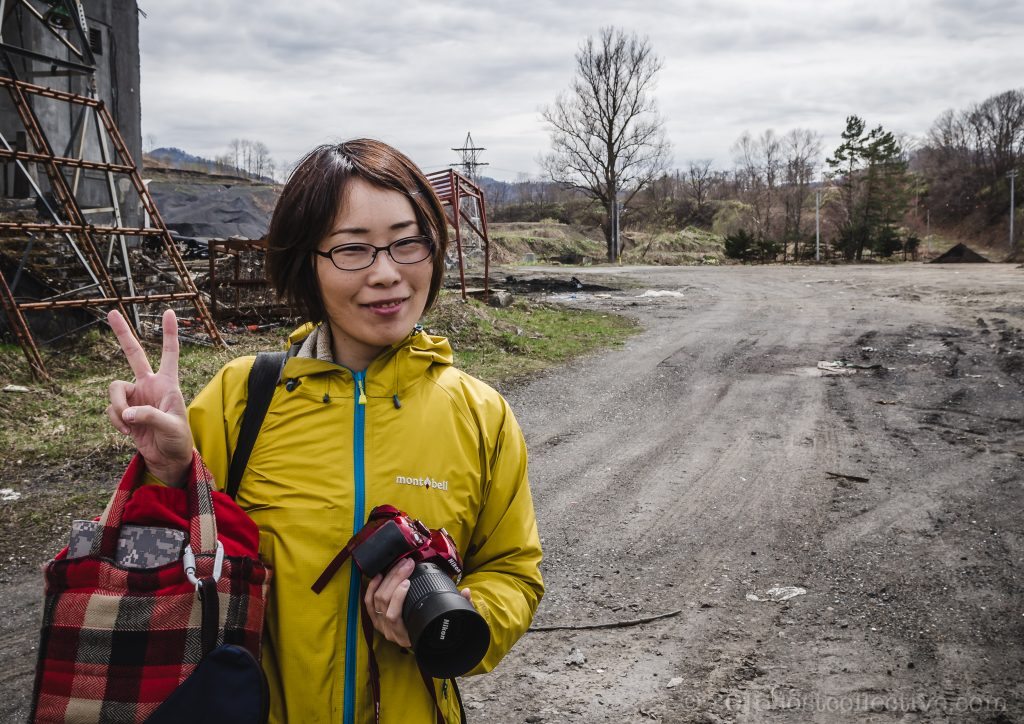
Our guide for a day in Yubari was Sato-san of the Shimizusawa Project, a non-profit working to preserve the industrial heritage of the former Shimizusawa mining area. The group's most visible achievement was preventing the complete demolition of the Hokutan Shimizusawa Power Plant in 2011.

"Yubari, which was founded in 1943 on the northernmost island of Japan, Hokkaido, was built to exploit vast coal reserves in the region and once had a thriving population of 120,000. Now, after a series of mining disasters, changes to the mining industry and an ageing population, the number of residents in the city has fallen to just 9,000. Stunning images of the seemingly deserted city captured by Australian photographer Brett Patman reveal the run-down and neglected buildings that have been left to decay."

Read the full Daily Mail feature at dailymail.co.uk.


