Name Plate

Provenance

Camera
NIKON D810
Lens
14.0-24.0 mm f/2.8
Settings
15mm · f/9.0 · 15s · ISO 100
Paper
Ilford Galerie Smooth Cotton Rag 310 gsm

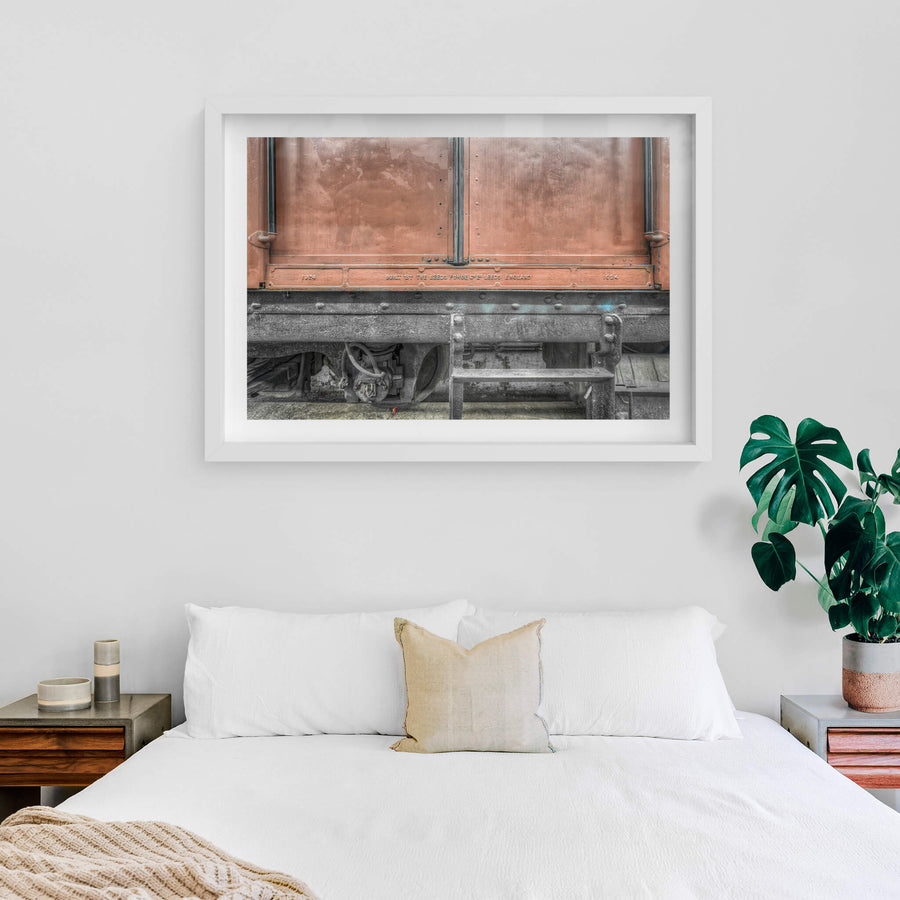
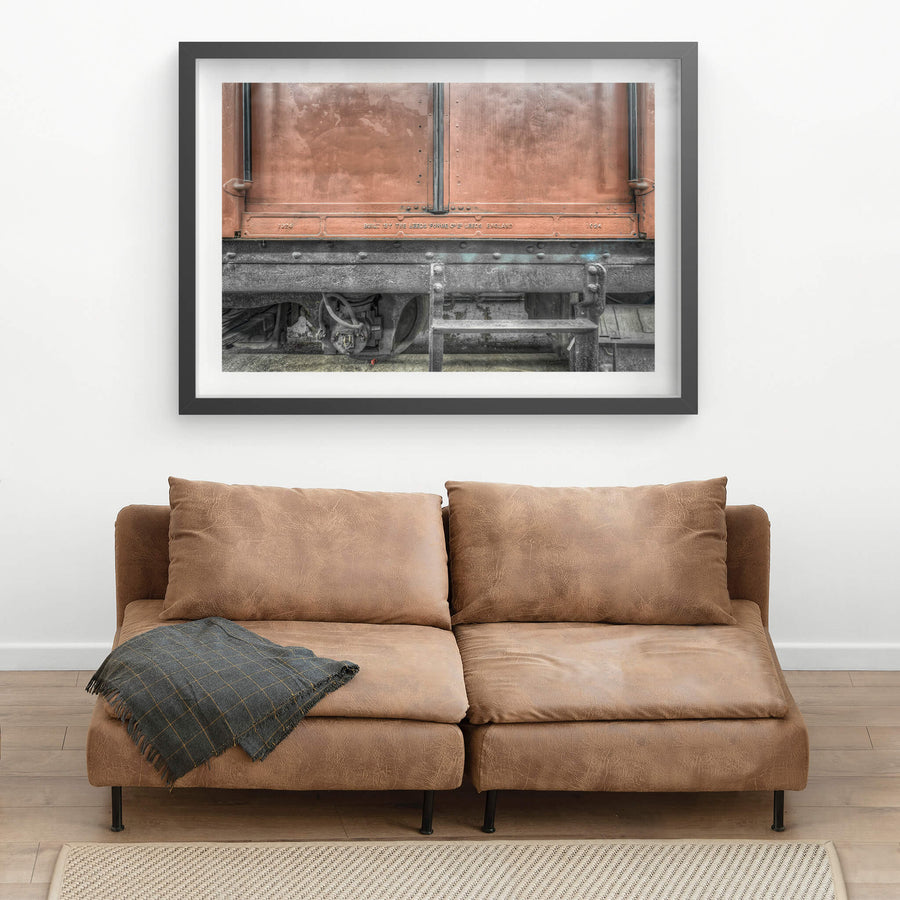
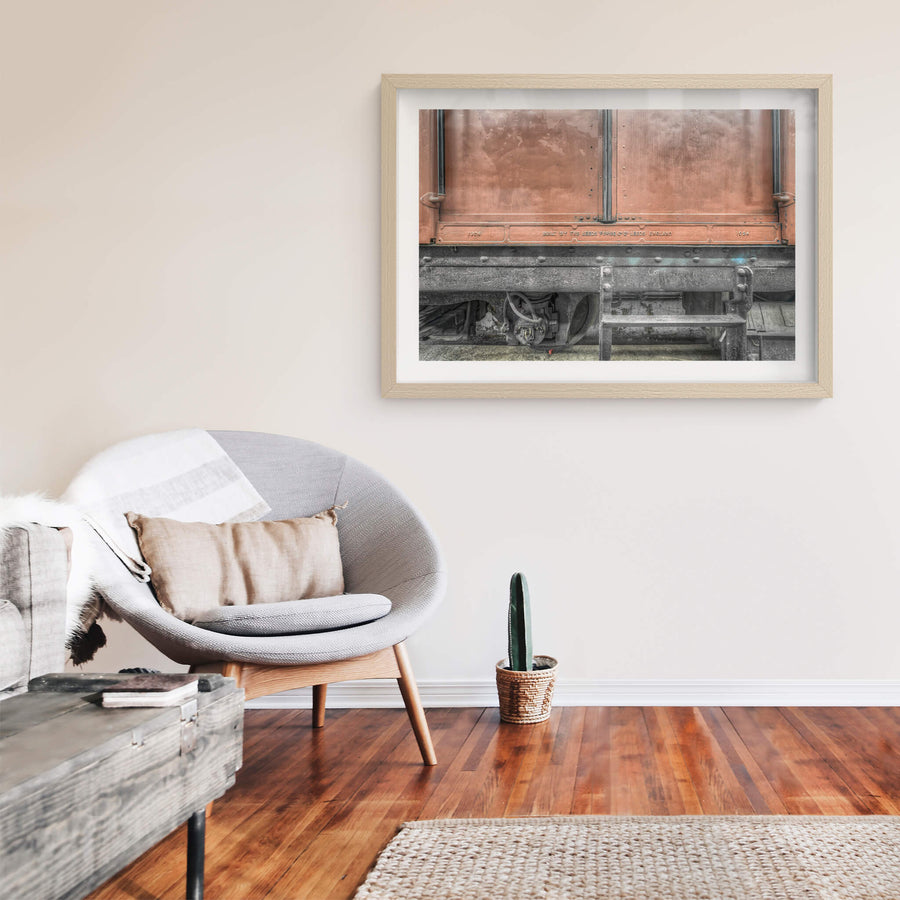
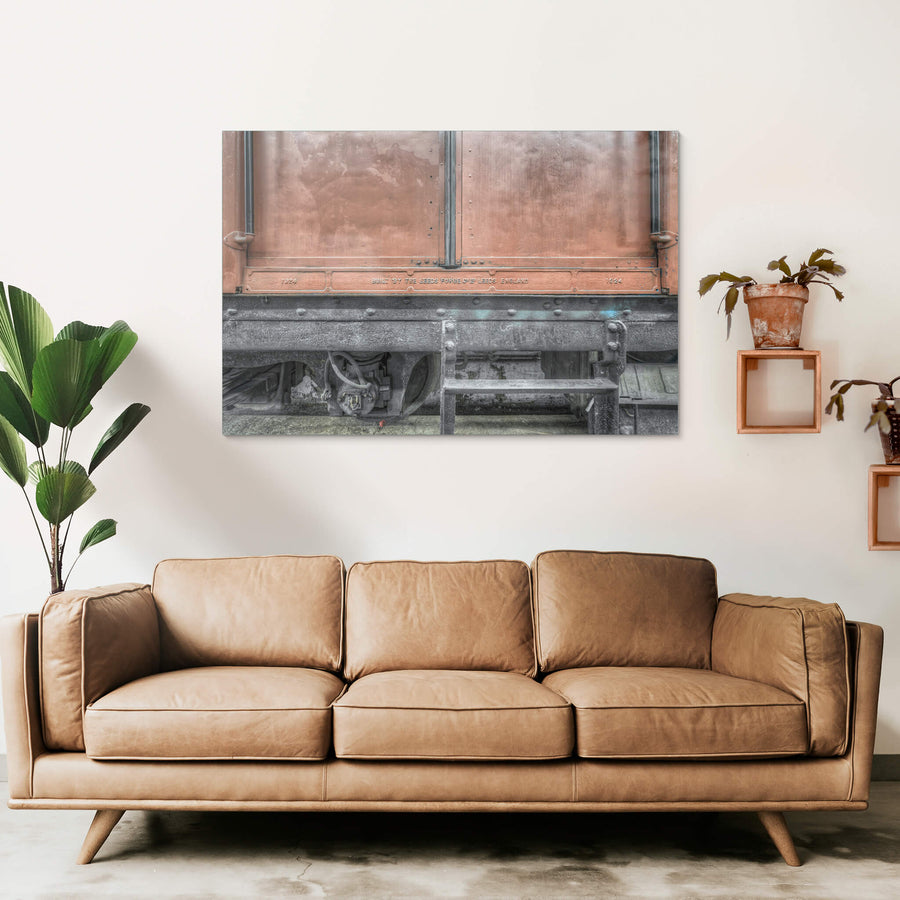
A rusted metal name plate remains fixed to a grimy wall within the Eveleigh Paint Shop. Peeling paint surrounds its worn surface. This forgotten marker endures inside the derelict industrial building.

Edition
Open edition

Open edition
Printed to order, no fixed quantity. Each print is hand-signed by the photographer.

Limited edition
A fixed number of prints exist. Once sold, the edition closes permanently. Each print is individually numbered and signed.

$100.00 AUD
Size
Type
Colour
Signed, numbered, with COA. Made to order in 10 to 20 business days (framed). Shipped in protective packaging with edition certificate, paper-stock reference and a printed care guide.
See certificate sample →

Shipping Free shipping over $250. Ships worldwide, rates calculated at checkout.

Returns Damaged in transit? We replace it. Full policy →

Ships within 10 business days · signed & numbered

In situ
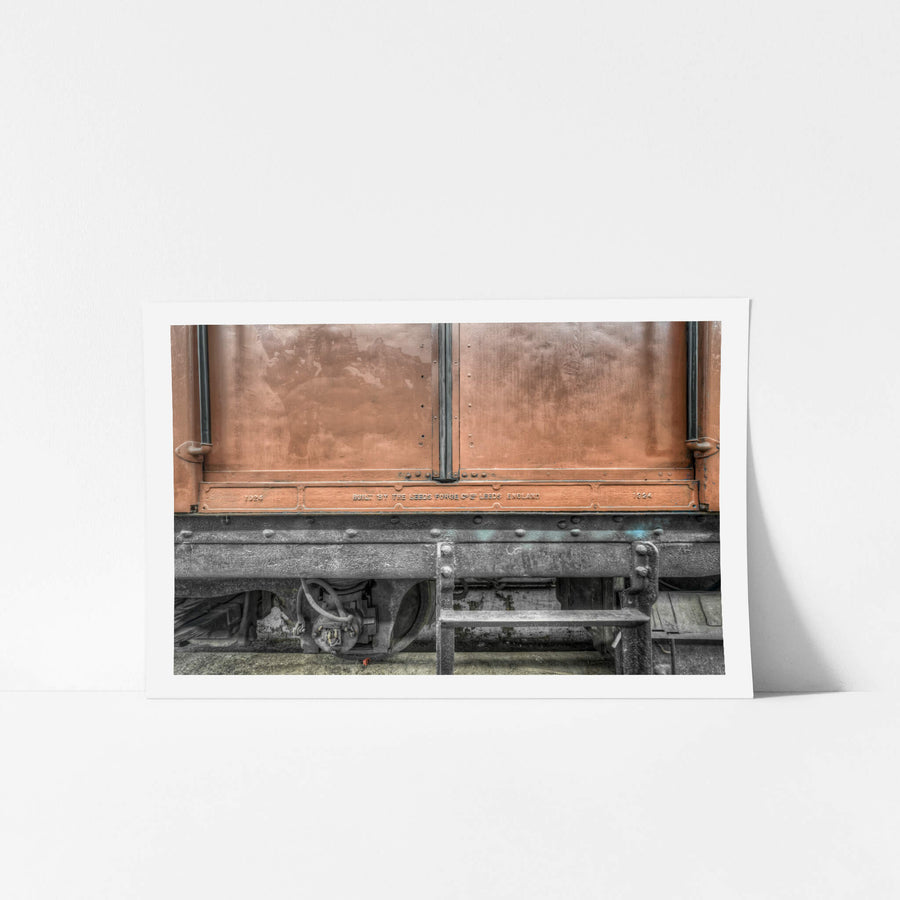
Name Plate at Eveleigh Paint Shop, stamped into the steel, the nameplate on Car 3102 marks its origins, one of the first 50 steel motor cars procured from England.Name Plate at Eveleigh Paint Shop, stamped into the steel, the nameplate on Car 3102 marks its origins, one of the first 50 steel motor cars procured from England.Name Plate at Eveleigh Paint Shop, stamped into the steel, the nameplate on Car 3102 marks its origins, one of the first 50 steel motor cars procured from England.Name Plate at Eveleigh Paint Shop, stamped into the steel, the nameplate on Car 3102 marks its origins, one of the first 50 steel motor cars procured from England.Name Plate at Eveleigh Paint Shop, stamped into the steel, the nameplate on Car 3102 marks its origins, one of the first 50 steel motor cars procured from England.
01 PROVENANCE

Print datasheet

Title
Name Plate
Series
Eveleigh Paint Shop
Catalogue
EPS-039
Process
Giclée
Captured
19 May 2016
Camera
NIKON D810
Lens
14.0-24.0 mm f/2.8
Aperture
f/9.0
Shutter
15s s
ISO
100
Focal length
15 mm
Paper
Ilford Galerie Smooth Cotton Rag 310 gsm
Paper size
290 × 200 mm
Location
Eveleigh, New South Wales, Australia
Recognised by
Highly Commended in Multimedia at the 2016 National Trust of Australia (NSW) Heritage Awards
02 LOCATION

Eveleigh, New South Wales, Australia

Map · Mapbox · OpenStreetMap

03 THE STORY

About this print

A brass nameplate is fixed to the side of one of the heritage carriages at the Eveleigh Paint Shop, lettered with the carriage's name in raised serif capitals against the polished brass background. The plate is roughly the size of an outstretched hand, the corners rounded, fixed to the body side with countersunk screws. The brass is mostly clean, polished as part of the carriage's restoration work, with a darker patina settling into the recesses of the lettering. The body paint behind the plate is the carriage's standard chocolate-and-cream NSW Government Railways livery, untouched where the plate has shielded the metal underneath.

Named carriages were a long tradition on NSW Government Railways long-distance and special-service rolling stock. Each carriage carried its name in lettering on the body side or on a brass plate of this kind, and the name typically stayed with the carriage across its working life. Names were drawn from public figures, geographic features, NSW towns, and senior railway personnel. The nameplate in this photograph is one of several carried by heritage carriages held at the Eveleigh Paint Shop by Historic Electric Traction. The plate has been polished in the restoration program; the lettering is the original casting.

04 FROM THE FIELD NOTES

Stamped into the steel, the nameplate on Car 3102 marks its origins, one of the first 50 steel motor cars procured from England. Built in 1924 by the Leeds Forge Company, this carriage was part of a pioneering fleet that transformed Sydney’s rail network.

Brett Patman

Eveleigh Paint Shop

The series

Eveleigh Paint Shop

2016 · 49 photographs

George Cowdery worked on the Britannia Bridge with Robert Stephenson in 1847. John Whitton, Engineer-in-Chief for NSW Railways, brought him to NSW in 1863, where he supervised the colony's first railway tunnels at Picton and Mittagong. The brick main wing of the Paint Shop was completed in 1887, eight rail roads under a sawtooth south-light roof.

View all in this series →

05 SIZE GUIDE

Print sizes

The anatomy view shows what this finish is as a physical object: paper margin, mat band, frame depth, acrylic profile. The comparison strip shows how each size sits relative to the others at true scale. Click a size or a finish to update both.

Anatomy · true ratio
TypeSizeWidthHeight
08 BY POST · NO SPAM

Read the full story

Articles when they're published. The history behind a place. The day of a shoot. The work between prints. No marketing, no schedule.

You're subscribed.