Delegate Shack

Provenance

Camera
NIKON Z 7
Lens
70.0-200.0 mm f/2.8
Settings
145mm · f/8.0 · 1/640 · ISO 100
Paper
Ilford Galerie Smooth Cotton Rag 310 gsm

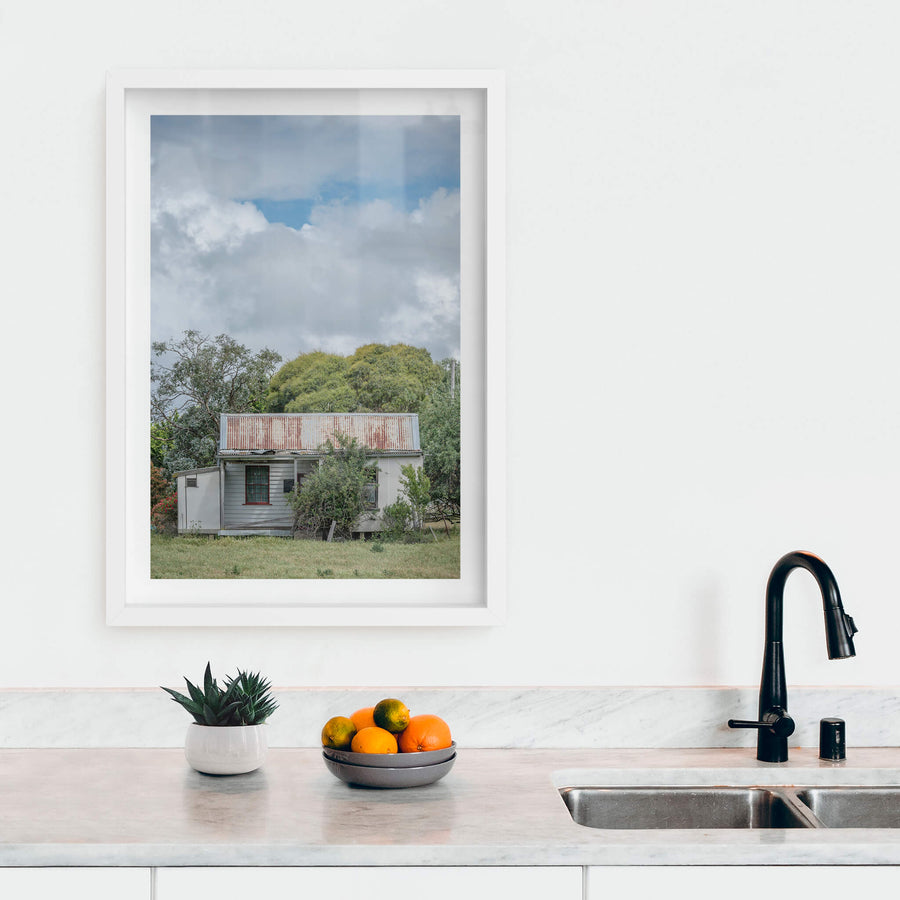
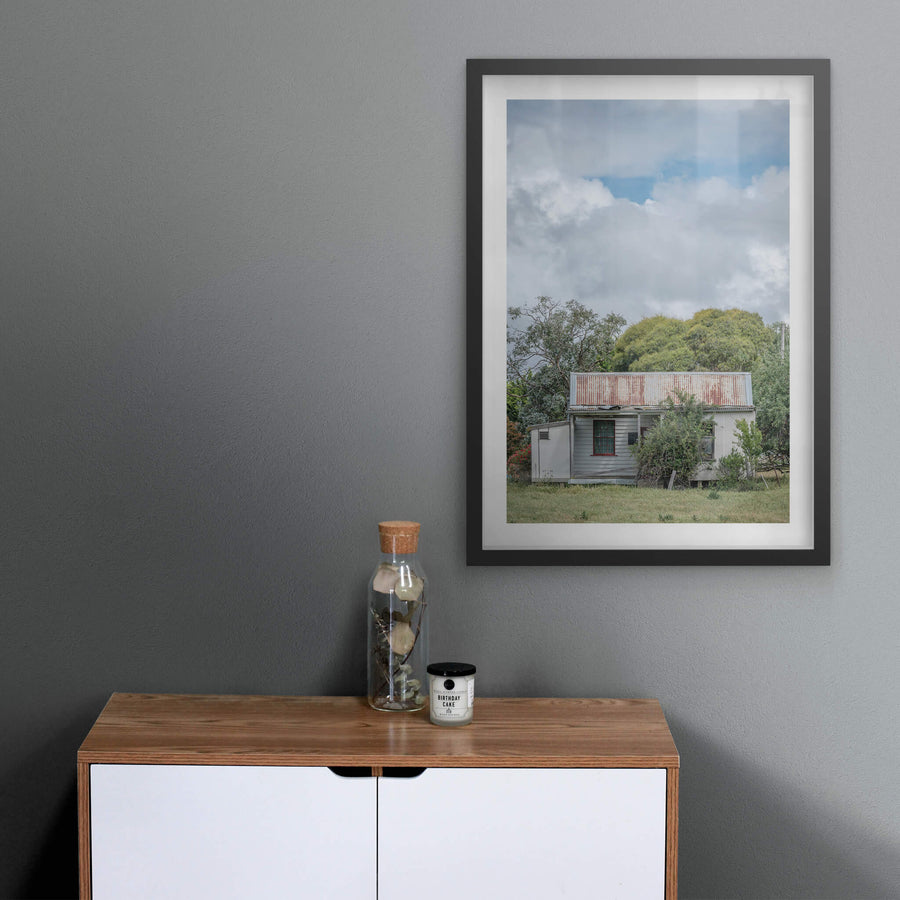
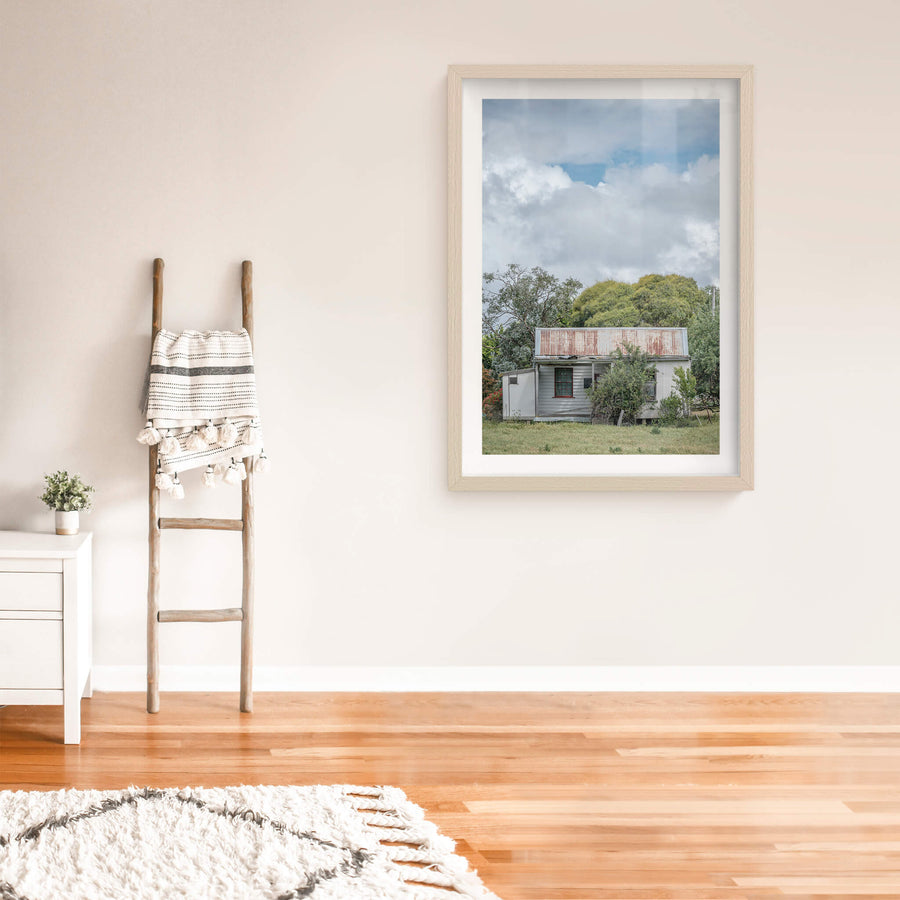
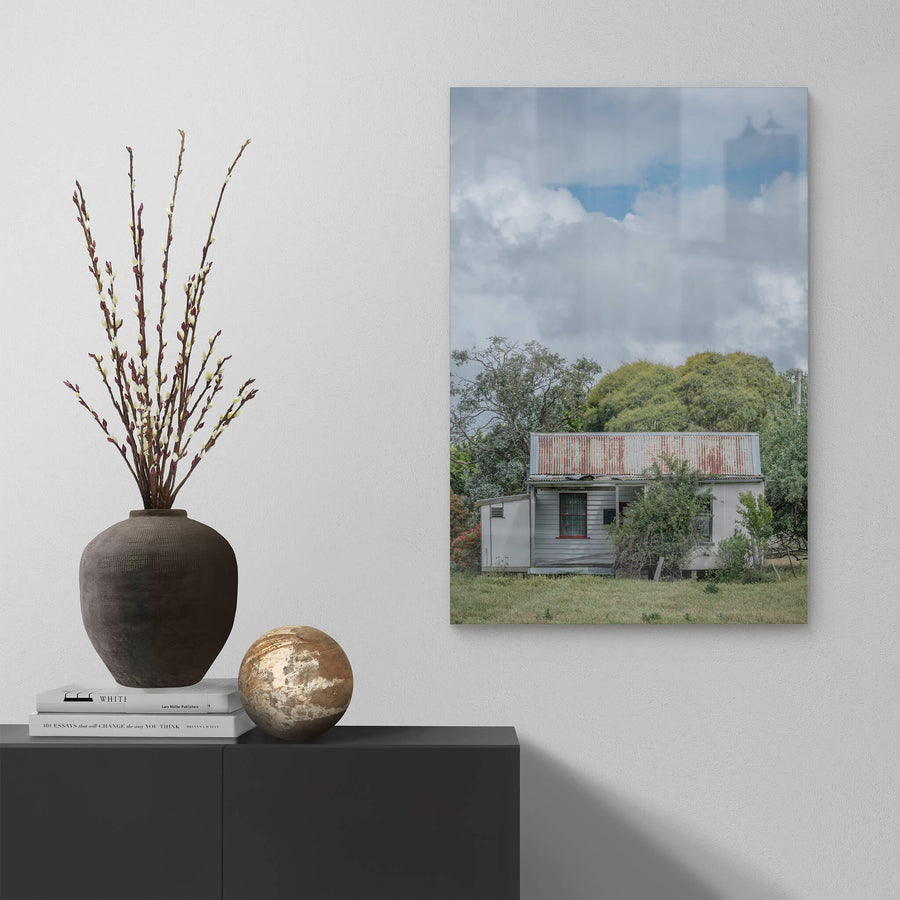
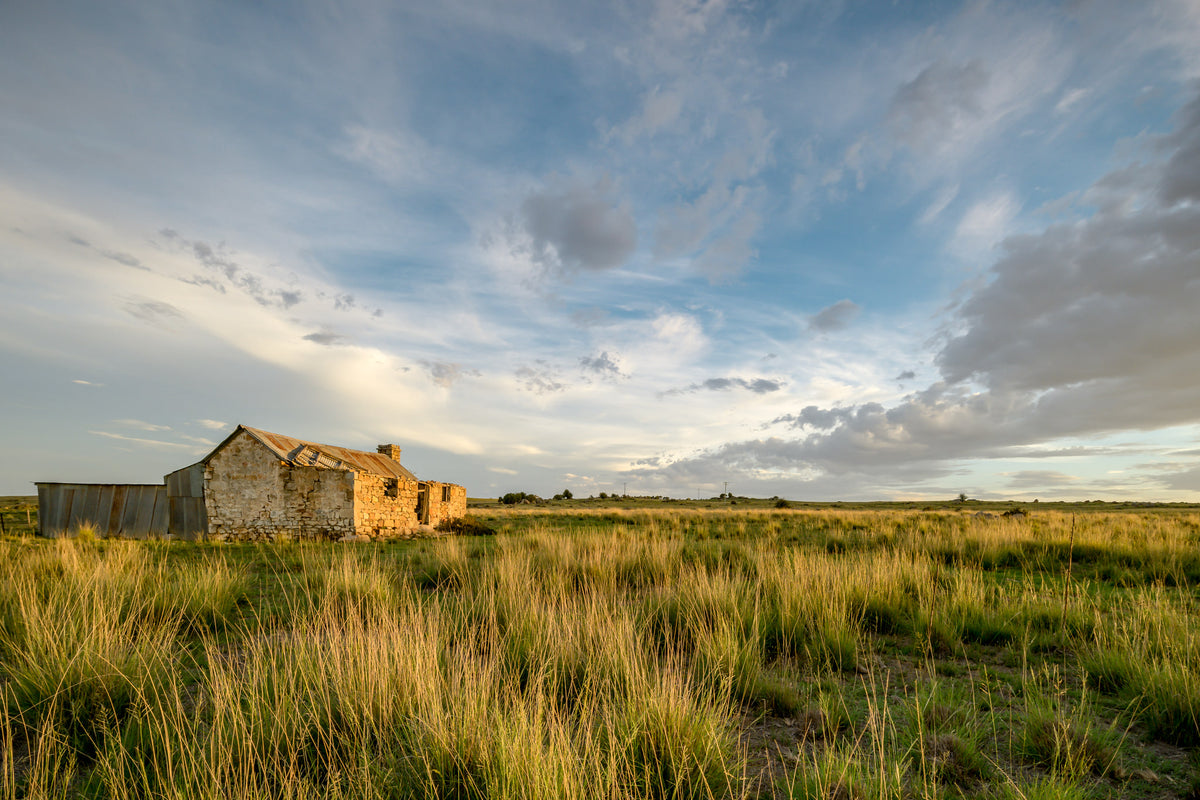
Weatherboard cottage, single storey, set back from the frame edge. Corrugated iron roof with heavy rust striping across the sheets. A front verandah, timber framed, largely overtaken by shrub growth. Cumulus cloud building above the tree line behind the structure. Dry pasture at the foreground.

Edition
Open edition

Open edition
Printed to order, no fixed quantity. Each print is hand-signed by the photographer.

Limited edition
A fixed number of prints exist. Once sold, the edition closes permanently. Each print is individually numbered and signed.

$100.00 AUD
Size
Type
Colour
Signed, numbered, with COA. Made to order in 5 to 10 business days (unframed). Shipped in protective packaging with edition certificate, paper-stock reference and a printed care guide.
See certificate sample →

Shipping Free shipping over $250. Ships worldwide, rates calculated at checkout.

Returns Damaged in transit? We replace it. Full policy →

Ships within 10 business days · signed & numbered

In situ

Delegate Shack at A Place to Call Home, unframed print displayed in situ on a wall.Delegate Shack at A Place to Call Home, white-framed print displayed in situ on a wall.Delegate Shack at A Place to Call Home, black-framed print displayed in situ on a wall.Delegate Shack at A Place to Call Home, raw timber-framed print displayed in situ on a wall.Delegate Shack at A Place to Call Home, glass print displayed in situ on a wall.
01 PROVENANCE

Print datasheet

Title
Delegate Shack
Series
A Place to Call Home
Catalogue
PCH-019
Process
Giclée
Captured
22 December 2018
Camera
NIKON Z 7
Lens
70.0-200.0 mm f/2.8
Aperture
f/8.0
Shutter
1/640 s
ISO
100
Focal length
145 mm
Paper
Ilford Galerie Smooth Cotton Rag 310 gsm
Paper size
290 × 200 mm
Location
Rural New South Wales and ACT, Australia
Recognised by
Highly Commended in Multimedia at the 2016 National Trust of Australia (NSW) Heritage Awards
03 THE STORY

About this print

On the southern edge of the Monaro tableland, where the Ngarigo territory reached its furthest boundary, a weatherboard cottage stands on the outskirts of Delegate. The corrugated iron roof is striped with rust in bands that follow the fall of rainwater over many decades, running from dull silver at the ridge to a deep brown-red at the eaves. A front verandah, timber framed, has been largely consumed by shrubs that have grown unchecked across the railing and posts. Behind the structure, cumulus cloud builds above the tree line, the kind of sky the Monaro produces in summer when the tableland heat pushes moisture upward. Delegate sits near the southern limit of the Ngarigo people's country, a territory of approximately 16,000 square kilometres that extended from Queanbeyan in the north to Delegate in the south. European pastoral settlement reached this corner of the Monaro from 1827, when Robert Campbell of Duntroon occupied Delegate Station, one of the earliest runs on the plain. The Robertson Land Acts of 1861 opened the district to selectors, who could take up blocks of 40 to 320 acres at one pound per acre; the weatherboard and corrugated iron construction visible in this photograph is characteristic of that post-1861 selector period, when smaller family cottages replaced or supplemented the earlier slab huts of the squatting era. Timber weatherboards and stumped foundations are noted in the research for later selector cottages across the Bombala district, consistent with what is visible here. The iron roof, now heavily rusted, would have been a considered upgrade in its time, replacing bark or shingle with a material that was durable and required no local harvesting skill to install. The building was photographed in 2018 as part of A Place to Call Home, a series documenting rural structures across the Snowy Monaro region and Hunter Valley of New South Wales. Most sit outside formal heritage protection, on private or Crown land, with no conservation program and no trajectory other than slow collapse. This photograph is a record of where the building stood.

04 FROM THE FIELD NOTES

On the outskirts of Delegate, in the southern Monaro, a weatherboard cottage sits behind a verandah that shrubs have spent years reclaiming. The corrugated iron roof runs from silver-grey at the ridgeline to deep rust where water has worked longest. Delegate itself marks the southern limit of Ngarigo country and one of the earliest European settlements on the Monaro, with pastoral runs established in the district from 1827. The cottage, timber framed and iron roofed, represents the later phase of that settlement: the selector's era, when smaller blocks replaced the great squatting runs after 1861.

Brett Patman
A Place to Call Home

The series

A Place to Call Home

2015–2020 · 60 photographs

A series of rural homesteads from the Snowy Monaro region of southern New South Wales, with a few from the Hunter Valley. Most were family homes left behind when a generation moved to town; others when the land could no longer be worked. The buildings are smaller than the industrial sites that anchor most of Lost Collective and tend to be older. Most are timber-framed.

View all in this series →

05 SIZE GUIDE

Print sizes

The anatomy view shows what this finish is as a physical object: paper margin, mat band, frame depth, acrylic profile. The comparison strip shows how each size sits relative to the others at true scale. Click a size or a finish to update both.

Anatomy · true ratio
TypeSizeWidthHeight
08 BY POST · NO SPAM

Read the full story

Articles when they're published. The history behind a place. The day of a shoot. The work between prints. No marketing, no schedule.

You're subscribed.