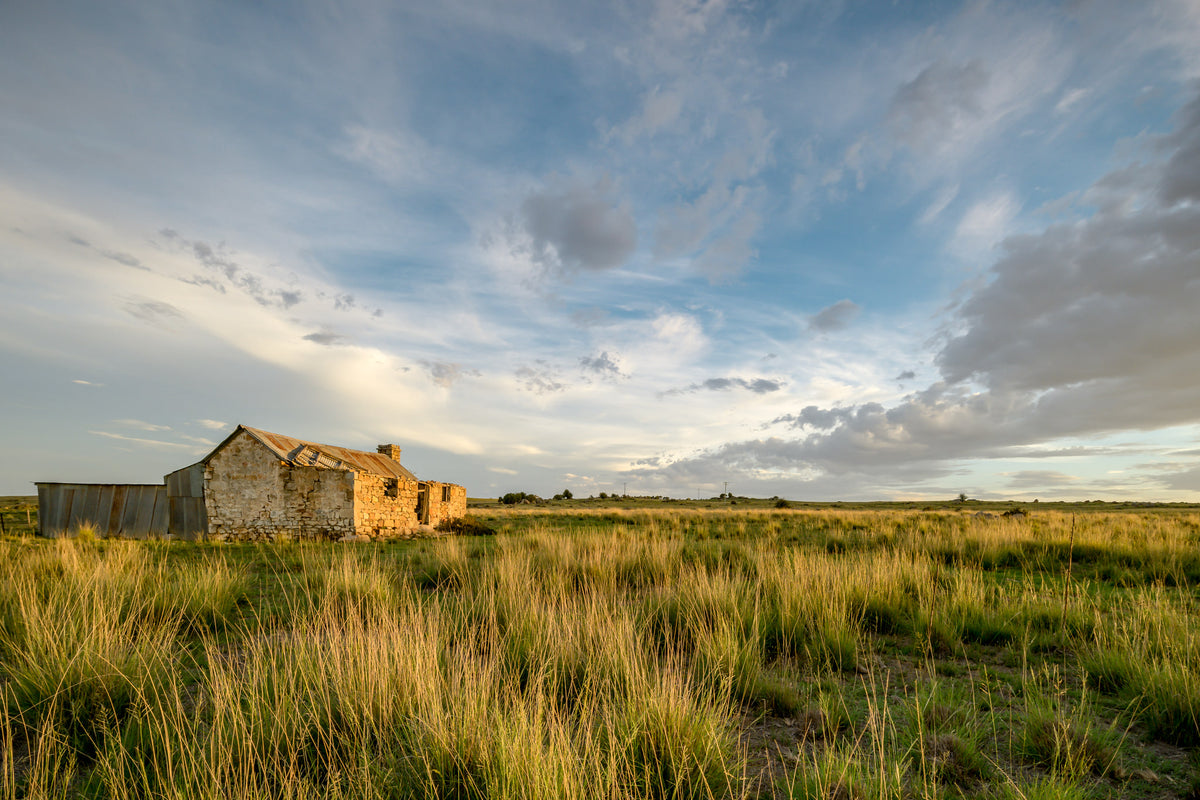
Jimenbuen Ruins

Provenance

Camera
NIKON Z 7
Lens
250.0-560.0 mm f/5.6
Settings
560mm · f/5.6 · 1/640 · ISO 800
Paper
Ilford Galerie Smooth Cotton Rag 310 gsm

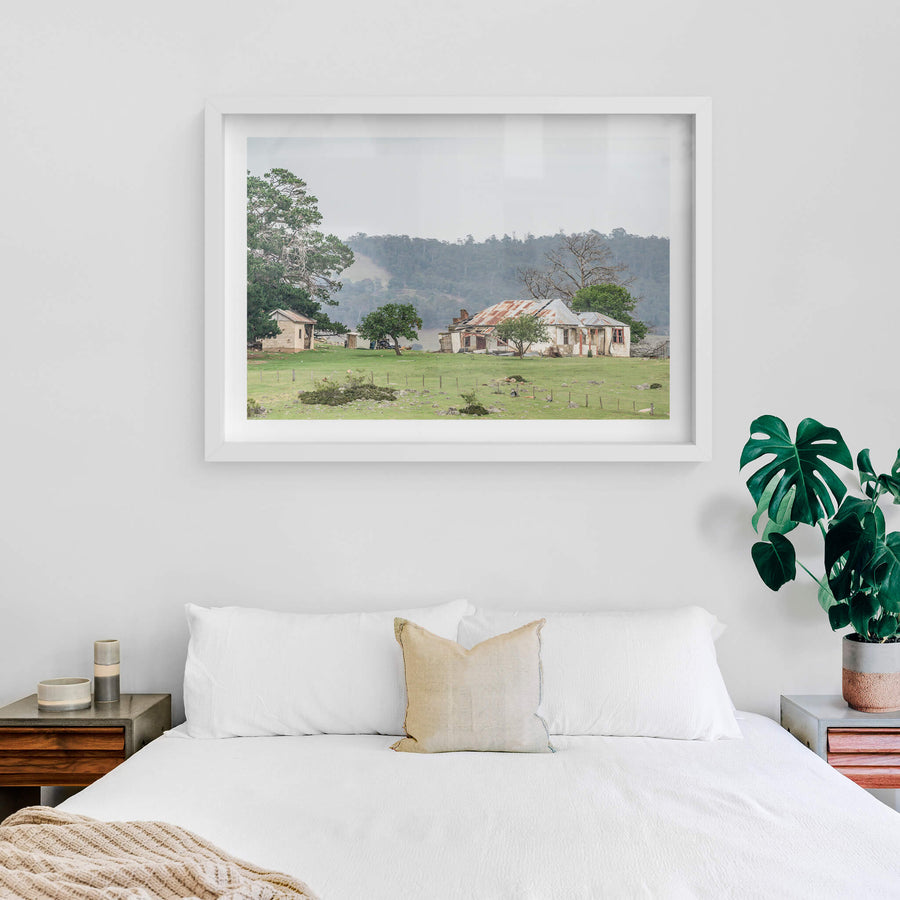
The remains of the Jimenbuen homestead stand in silent decay. Stone walls, once shelters for early pastoralists in New South Wales, now open to the elements. Nature slowly reclaims these forgotten structures.

Edition
Open edition

Open edition
Printed to order, no fixed quantity. Each print is hand-signed by the photographer.

Limited edition
A fixed number of prints exist. Once sold, the edition closes permanently. Each print is individually numbered and signed.

$100.00 AUD
Size
Type
Colour
Signed, numbered, with COA. Made to order in 10 to 20 business days (framed). Shipped in protective packaging with edition certificate, paper-stock reference and a printed care guide.
See certificate sample →

Shipping Free shipping over $250. Ships worldwide, rates calculated at checkout.

Returns Damaged in transit? We replace it. Full policy →

Ships within 10 business days · signed & numbered

In situ
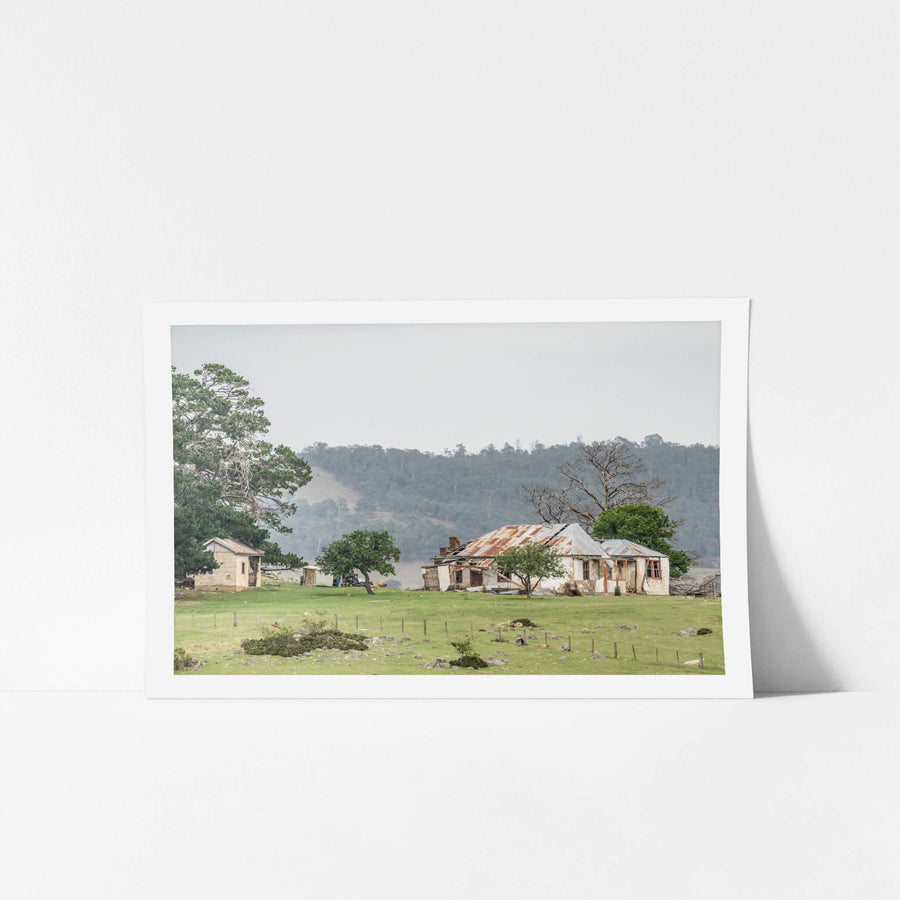
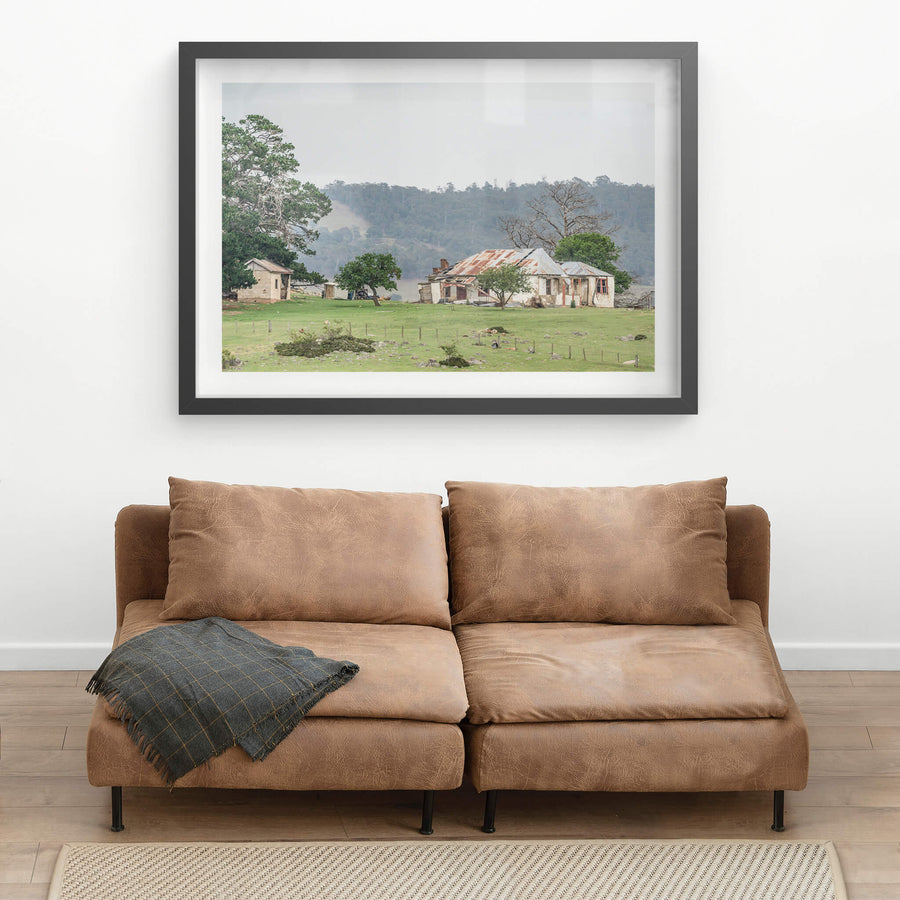
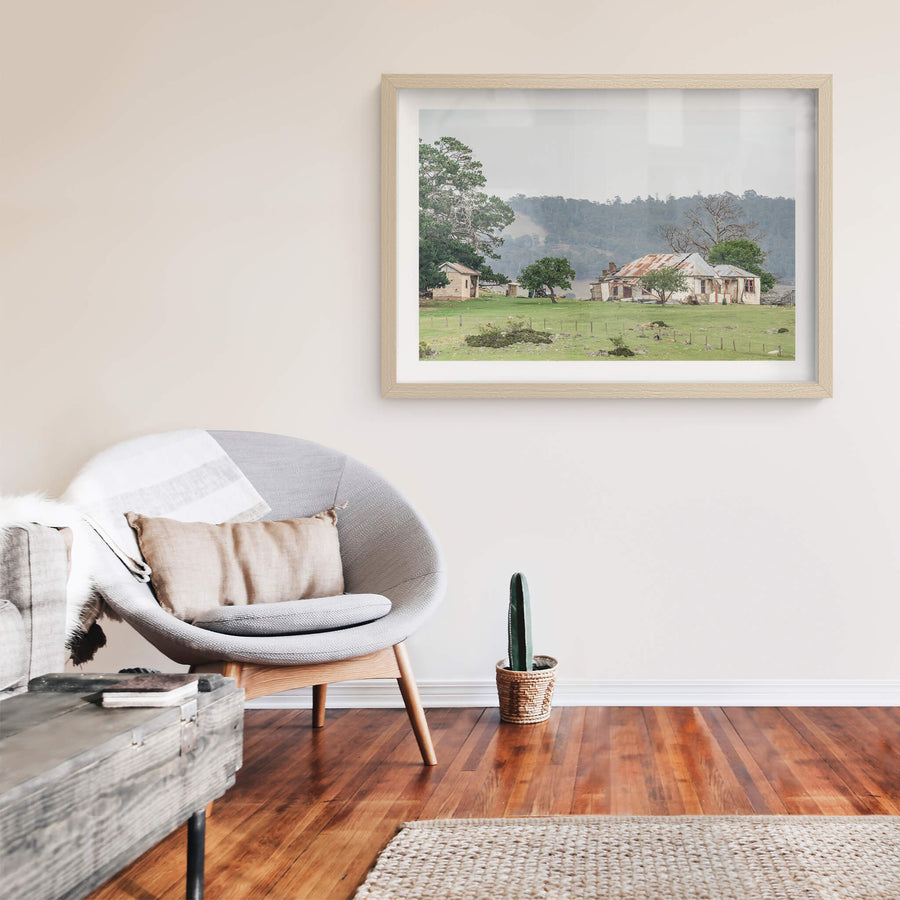
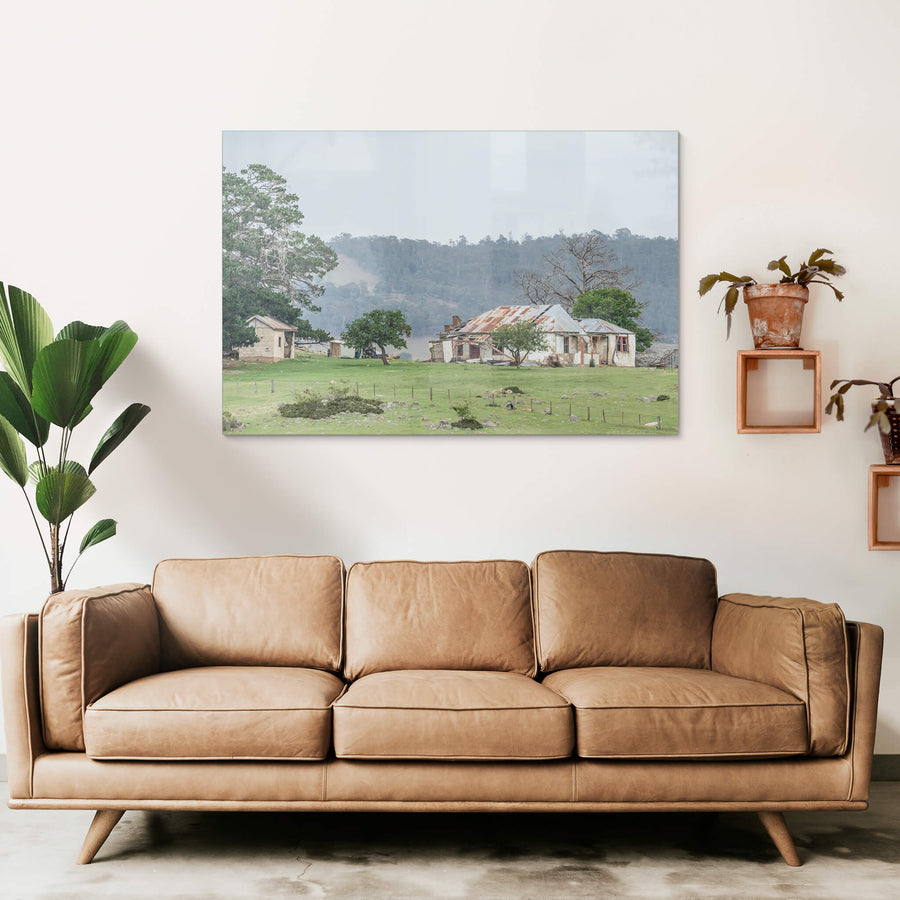
Jimenbuen Ruins at A Place to Call Home, a derelict farmhouse sits on open green pasture near Jimenbuen in rural New South.Jimenbuen Ruins at A Place to Call Home, a derelict farmhouse sits on open green pasture near Jimenbuen in rural New South.Jimenbuen Ruins at A Place to Call Home, a derelict farmhouse sits on open green pasture near Jimenbuen in rural New South.Jimenbuen Ruins at A Place to Call Home, a derelict farmhouse sits on open green pasture near Jimenbuen in rural New South.Jimenbuen Ruins at A Place to Call Home, a derelict farmhouse sits on open green pasture near Jimenbuen in rural New South.
01 PROVENANCE

Print datasheet

Title
Jimenbuen Ruins
Series
A Place to Call Home
Catalogue
PCH-049
Process
Giclée
Captured
30 December 2018
Camera
NIKON Z 7
Lens
250.0-560.0 mm f/5.6
Aperture
f/5.6
Shutter
1/640 s
ISO
800
Focal length
560 mm
Paper
Ilford Galerie Smooth Cotton Rag 310 gsm
Paper size
290 × 200 mm
Location
Rural New South Wales and ACT, Australia
Recognised by
Highly Commended in Multimedia at the 2016 National Trust of Australia (NSW) Heritage Awards
03 THE STORY

About this print

The Jimenbuen Ruins are the remains of an outbuilding on Jimenbuen Station in the Snowy Monaro, sitting in a paddock not far from the still-working woolshed. The structure is partial: one and a half walls remain standing, with the rest collapsed to a pile of split-slab timber and rusted iron sheets. The standing wall is timber slab, weathered grey. The remaining roof section, still attached at the ridge, hangs at an angle. A doorway frame stands without a door. The grass around the ruins is grazed short by the local sheep.

Jimenbuen is one of the older grazing properties in this part of the Monaro. The station has had buildings come and go across its working life: shearers' quarters, drovers' huts, machinery sheds, accommodation for casual workers. Some of those buildings are still in use, like the woolshed. Others have collapsed or been pulled down. The ruins in this photograph are the remains of one of the auxiliary buildings, probably a workers' hut or a small shed. The slabs are still where they fell. Whoever stops repairing a building like this has the choice to either pull it down completely or let it come down on its own. At Jimenbuen, the choice was the second one.

04 FROM THE FIELD NOTES

A derelict farmhouse sits on open green pasture near Jimenbuen in rural New South Wales. Rusted corrugated iron lifts from the roof in wide sheets, exposing timber rafters. White render cracks and peels from the exterior walls. A single brick chimney stands half-collapsed. A small concrete-block outbuilding sits to the left, dwarfed by a large spreading tree. Behind the homestead, timbered hills dissolve into grey haze. Fence posts line the paddock. The grass is bright and thick. No stock in sight.

Brett Patman

A Place to Call Home

The series

A Place to Call Home

2015–2020 · 59 photographs

A series of rural homesteads from the Snowy Monaro region of southern New South Wales, with a few from the Hunter Valley. Most were family homes left behind when a generation moved to town; others when the land could no longer be worked. The buildings are smaller than the industrial sites that anchor most of Lost Collective and tend to be older. Most are timber-framed.

View all in this series →

05 SIZE GUIDE

Print sizes

The anatomy view shows what this finish is as a physical object: paper margin, mat band, frame depth, acrylic profile. The comparison strip shows how each size sits relative to the others at true scale. Click a size or a finish to update both.

Anatomy · true ratio
TypeSizeWidthHeight
08 BY POST · NO SPAM

Read the full story

Articles when they're published. The history behind a place. The day of a shoot. The work between prints. No marketing, no schedule.

You're subscribed.