
Rocky Hall Hills Hut
Provenance
- Camera
- NIKON Z 7
- Lens
- 180.0-400.0 mm f/4.0
- Settings
- 180mm · f/8.0 · 1/250 · ISO 100
- Paper
- Ilford Galerie Smooth Cotton Rag 310 gsm
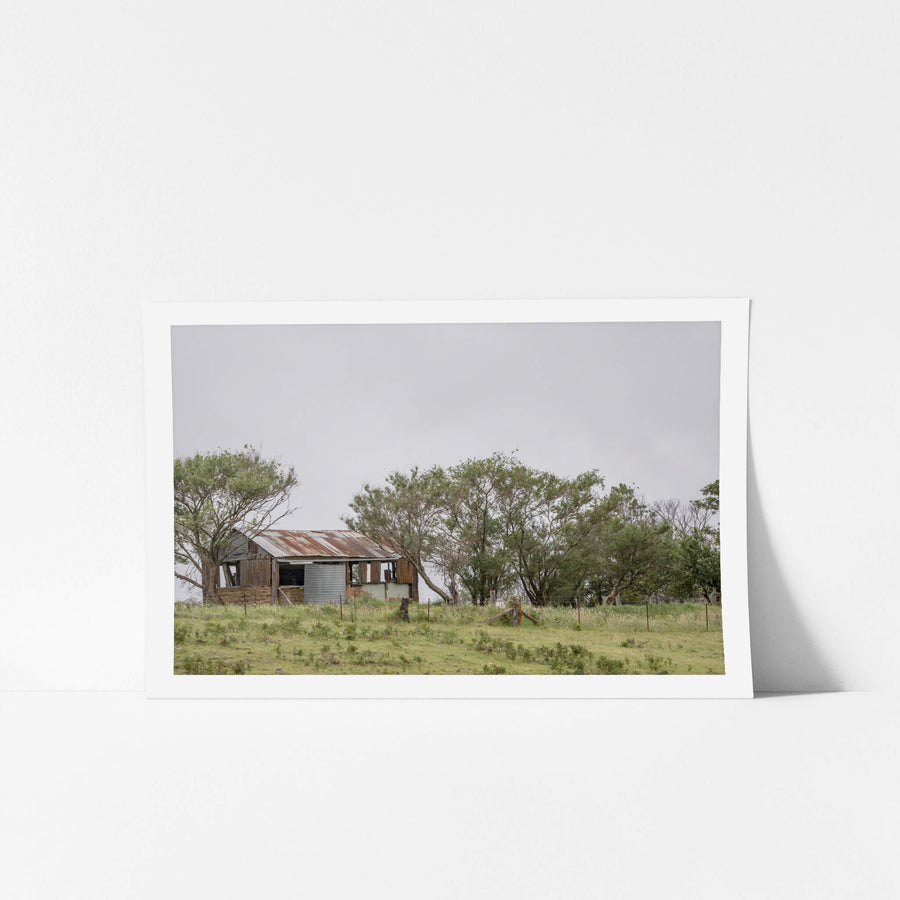
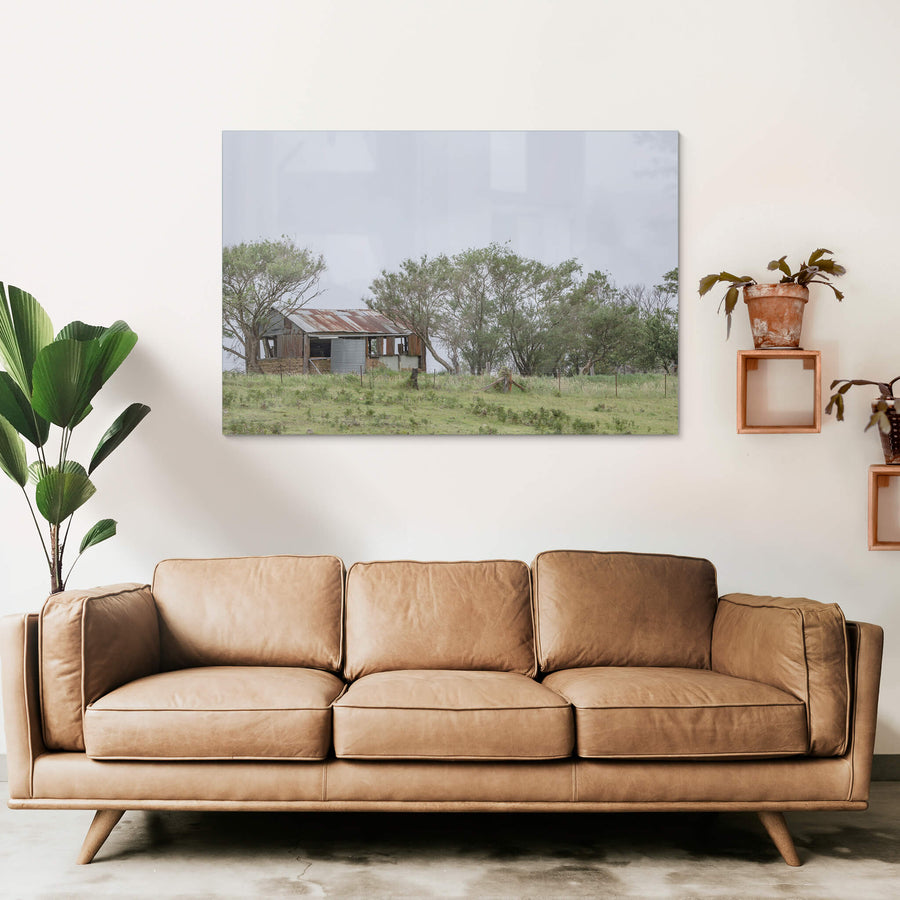
A low timber and corrugated iron outbuilding sits on open pasture in the Snowy Monaro region, its rusted roof set against a broad, overcast sky. A water tank and a timber fence stand to one side. Grass and scattered shrubs cover the surrounding ground.
Open edition
Printed to order, no fixed quantity. Each print is hand-signed by the photographer.
Limited edition
A fixed number of prints exist. Once sold, the edition closes permanently. Each print is individually numbered and signed.
Shipping Free shipping over $250. Ships worldwide, rates calculated at checkout.
Returns Damaged in transit? We replace it. Full policy →
Ships within 10 business days · signed & numbered
In situ
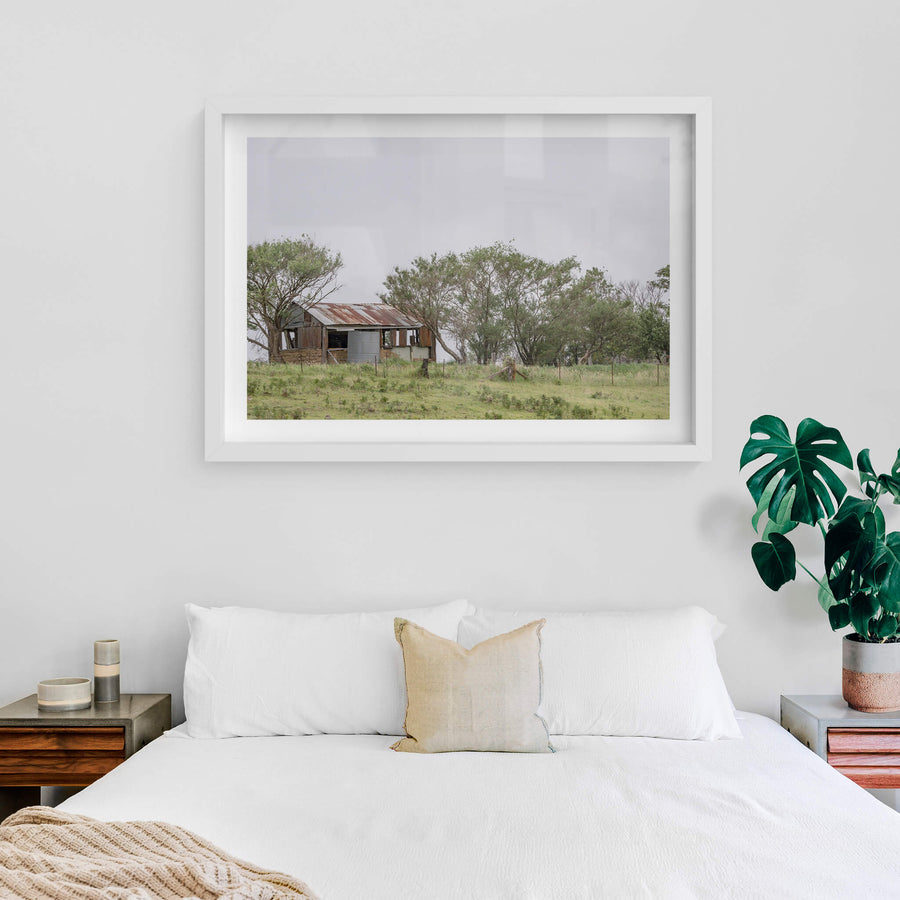
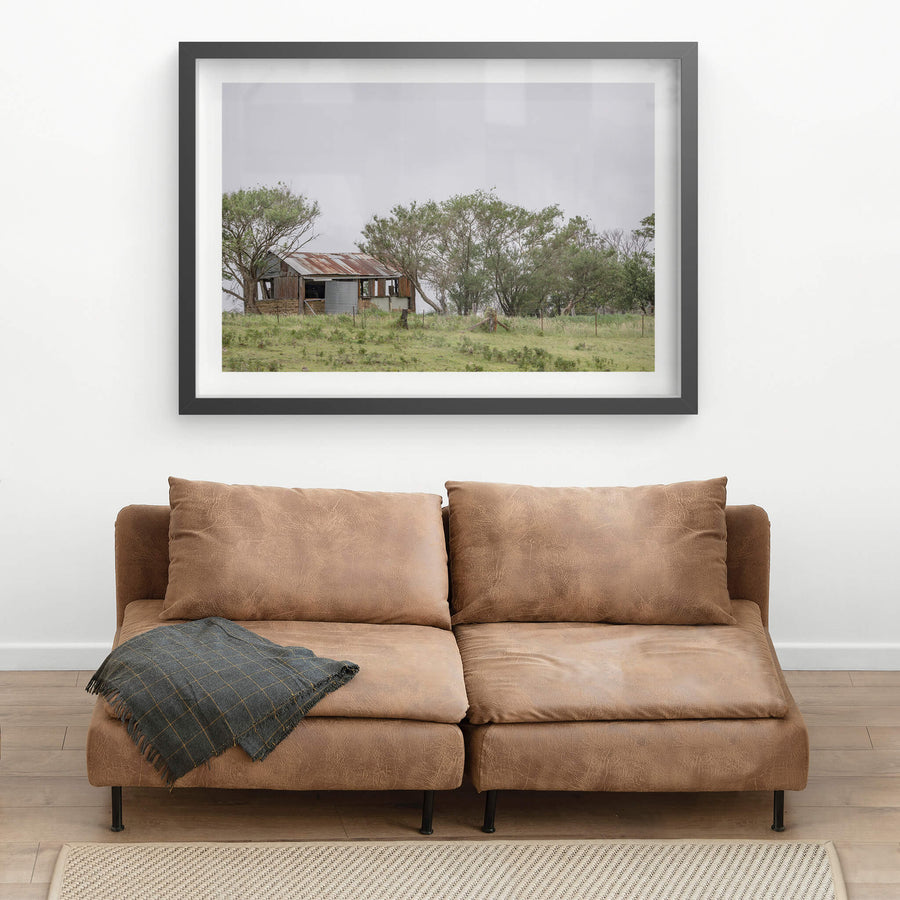
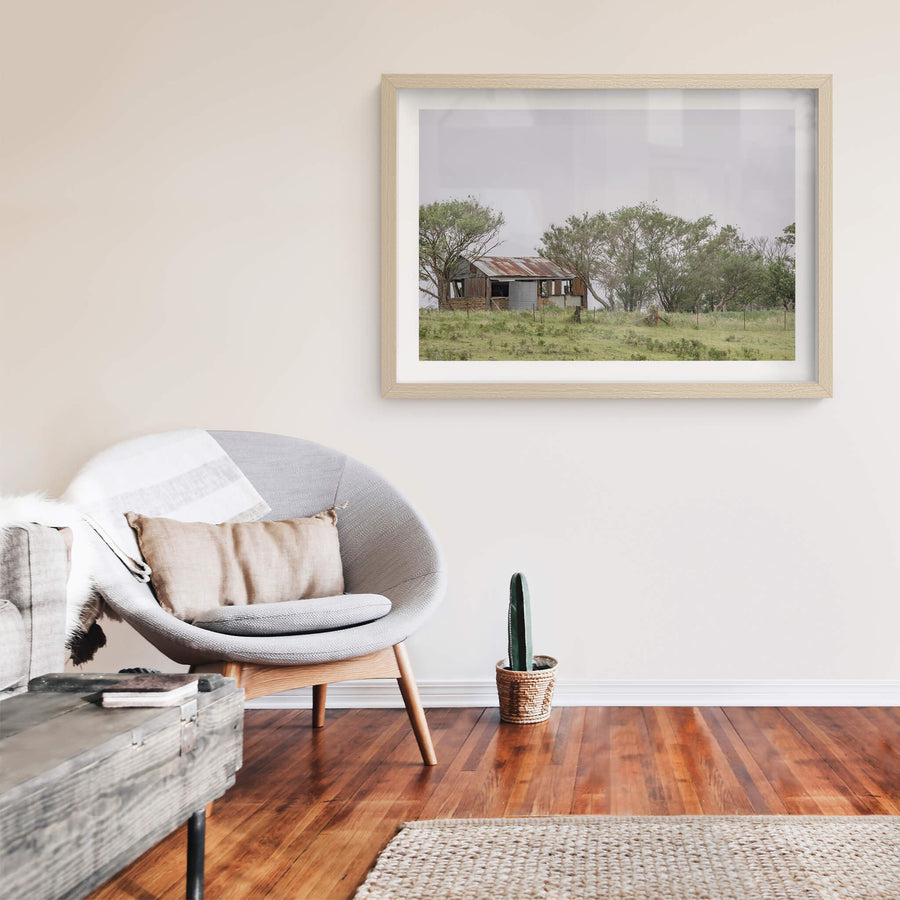
Print datasheet
- Title
- Rocky Hall Hills Hut
- Series
- A Place to Call Home
- Catalogue
- PCH-018
- Process
- Giclée
- Captured
- 21 December 2018
- Camera
- NIKON Z 7
- Lens
- 180.0-400.0 mm f/4.0
- Aperture
- f/8.0
- Shutter
- 1/250 s
- ISO
- 100
- Focal length
- 180 mm
- Paper
- Ilford Galerie Smooth Cotton Rag 310 gsm
- Paper size
- 297 × 210 mm
- Location
- Rural New South Wales and ACT, Australia
- Authenticity
- C2PA verified provenance →
- Recognised by
- Highly Commended in Multimedia at the 2016 National Trust of Australia (NSW) Heritage Awards
Rural New South Wales and ACT, Australia
Map · Mapbox · OpenStreetMap
About this print
Rocky Hall Hills Hut is a lean-to of corrugated iron and timber posts, its walls rusted to a deep brown-red that signals age well beyond living memory. Structures like this were the working infrastructure of the Monaro's pastoral era: put up quickly, maintained until they weren't, then left standing when the people who needed them moved on. The iron has gone from silver to rust, which tells its own story about how long it has been standing here without anyone to patch the roof.
Brett Patman
The series
A Place to Call Home
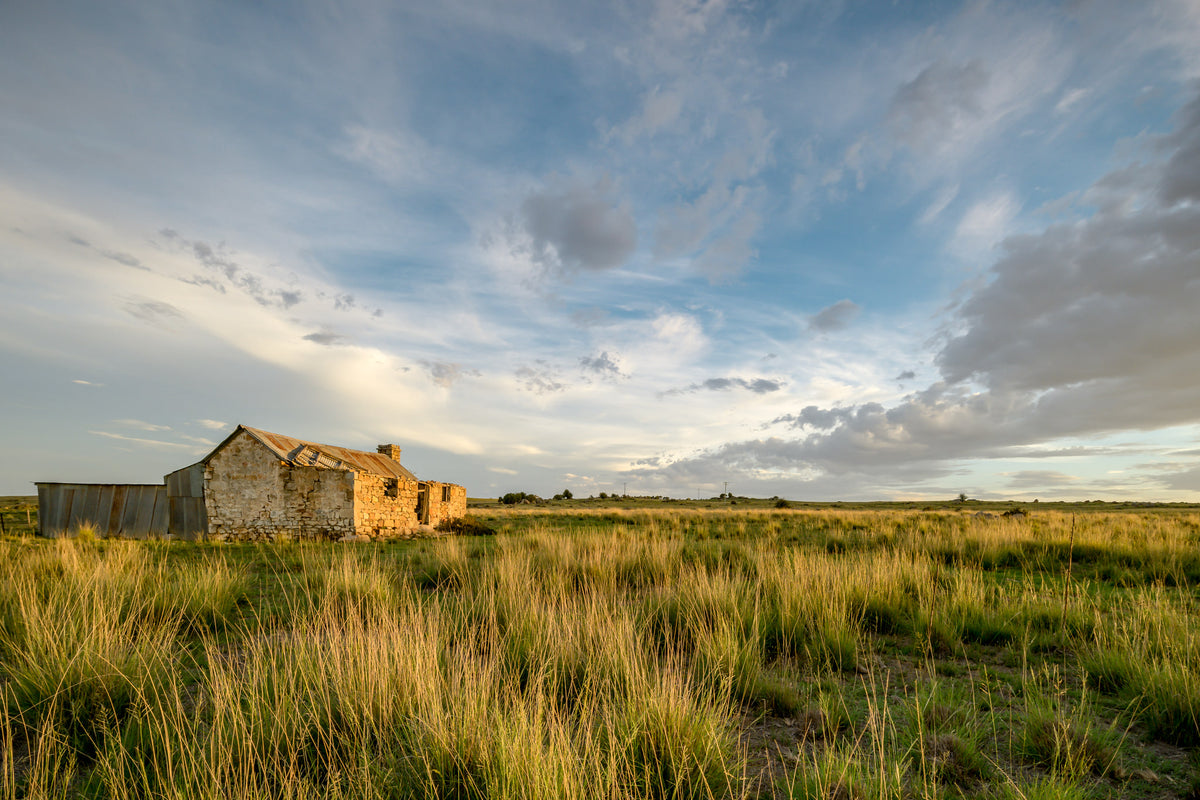
A series of rural homesteads from the Snowy Monaro region of southern New South Wales, with a few from the Hunter Valley. Most were family homes left behind when a generation moved to town; others when the land could no longer be worked. The buildings are smaller than the industrial sites that anchor most of Lost Collective and tend to be older. Most are timber-framed.
Print sizes
The anatomy view shows what this finish is as a physical object: paper margin, mat band, frame depth, acrylic profile. The comparison strip shows how each size sits relative to the others at true scale. Click a size or a finish to update both.
| Type | Size | Width | Height |
|---|


