
01FAMILY SCHOOL FUREAI · YUBARI2015
1/50SF2.8ISO 50024MM
Since 2015
Journal
Series stories
In-depth location histories told through original photography and primary research.
Series Story IKESHIMA SEP 2026
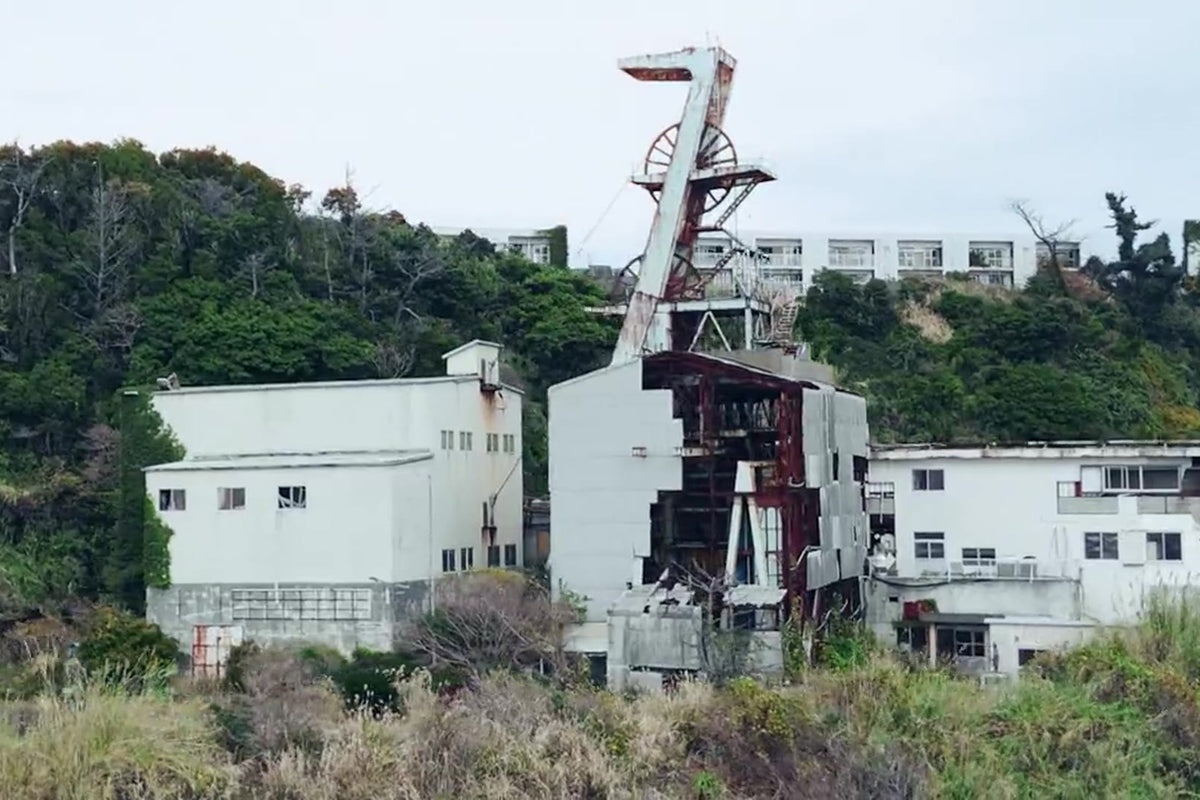
Ikeshima: You can go, but you can't come back
One day on Ikeshima, the last large-scale coal mine in Japan, told from the ticket queue at Kōnoura to the 5 PM ferry off the island. Shot on a Nikon...

Kinugawa Kan: A Century of Change in Kinugawa Onsen
Kinugawa Kan opened on 31 December 1942 on the Kinugawa River gorge. The first major ryokan in Kinugawa...
29 photographs · 12 min read
Wangi Power Station: The Years Gone By
Eleven storeys of brick on the western shore of Lake Macquarie, built by 1,000 men and run for...
21 photographs · 12 min read
Why the calendars stay where they are
Woolla is a hand-built hut on the Deua River near Braidwood. The Davis family lived here from 1927...
37 photographs · 8 min read
What I Learned Shooting Hotel Motel 101
Ever wondered where the idea for Hotel Motel 101 came from? Well, here's a bit of an insight...
19 photographs · 10 min read
Kandos Cement Works: Ninety-Five Years in the Valley
Cement production at Kandos began in August 1916, in a valley in the central west of New South...
7 photographs · 3 min read
Industrial Photography in Sydney: White Bay and Eveleigh
Sydney's industrial heritage is concentrated in a band of suburbs that ring the inner harbour: Rozelle, Eveleigh, Pyrmont,...
24 photographs · 2 min readBehind the lens
Behind-the-scenes photography and field notes from each location shoot.
Behind the Lens: Wangi Power Station
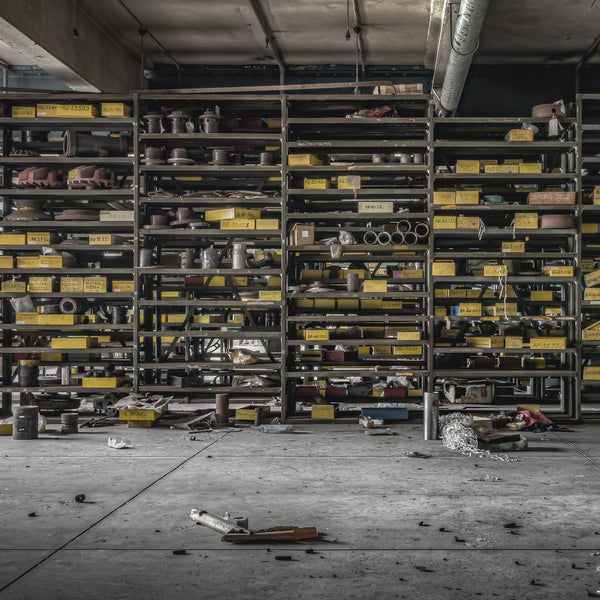
The turbine hall is the most readable room I've worked in. No machinery on the floor, just the structure: riveted steel frame,...
Behind the Lens: White Bay Power Station
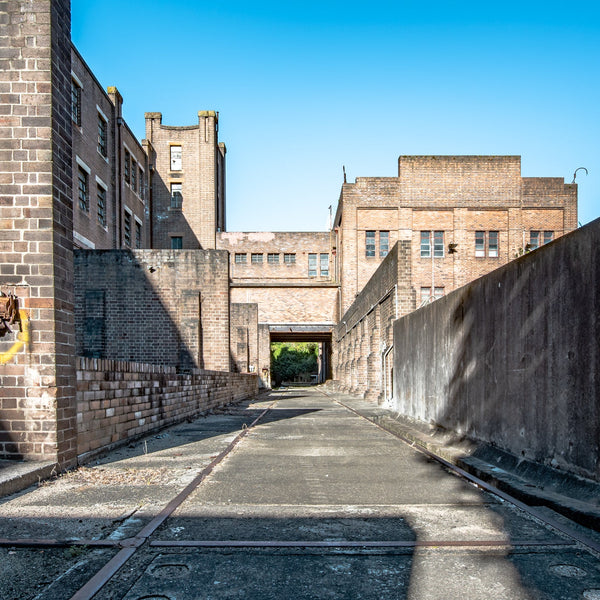
Brett Patman on working inside White Bay Power Station. The thirty-metre boilerhouse, the overhead cranes, and photographing a building that is open...
Available Light
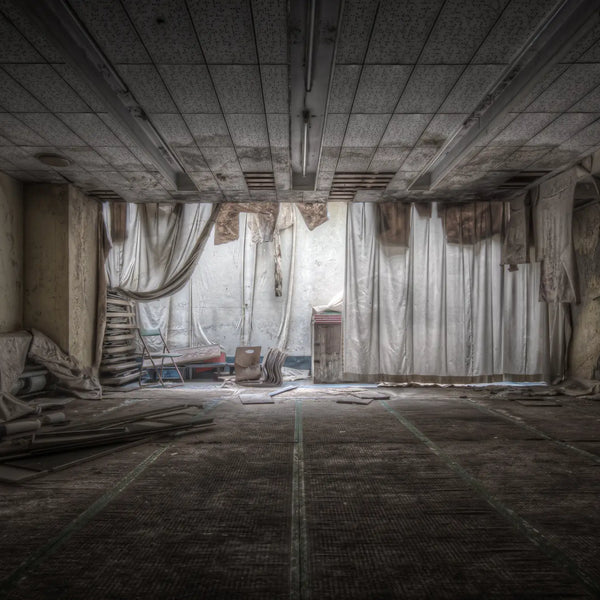
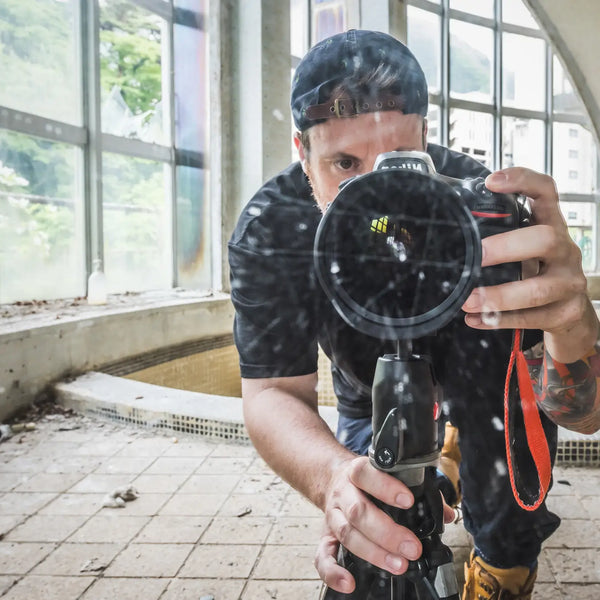
Brett Patman on working with available light in abandoned buildings. Tripods, slow shutter speeds, and why waiting is part of the process.
How I Find the Places
Brett Patman on finding locations for the series. Heritage registers, Google Maps, and the long work of turning a single visit into...
Places
Where the journal has been. Click a pin for the latest from that location.
Map · Mapbox · OpenStreetMap
All entries

Mitsubishi Minami-Ōyūbari Station
The Mitsubishi Minami-Oyubari station is one of the remaining examples of the Mitsubishi mining empire in the Sorachi...

Macquarie Boys Technology High in The Daily Telegraph
The Daily Telegraph featured pictures from the Lost Collective Macquarie Boys Technology High Gallery. Read more about how...

Yubari, Japan's only bankrupt city
Yubari was a coal mining city of 116,000 at its 1960 peak. By the time we visited in...

Could this Power Station Become the World's Greatest Club? (Insomniac)
I had a chat with Angus Patterson from Insomniac. A friend of mine dating back to a time...

Radio New Zealand interview with Kathryn Ryan

Exploring the Eveleigh Paint Shop
Inside the Eveleigh Paint Shop, the 1887 brick wing where NSW carriages were finished. The volunteers, the surviving...

Wangi Power Station in the Newcastle Herald
Newcastle Herald featured images from the Lost Collective Wangi Power Station gallery. Hear straight from the owners about...

Family School Fureai in the Daily Mail
The Family School Fureai collection was recently featured in the Daily Mail. Take a look at some of...

Wangi Power Station in the Lakes Mail
Not long after the Wangi Wangi Power Station gallery from Lost Collective went live, Lakes Mail reached out...

Yubari in the Daily Mail
Yubari was a very different part of Japan to what I'd ever seen before. Far from the bright...

Japanese adventure in Collective Hub
Collective Hub followed along with our trip to Japan in 2016 and put together this fantastic article about...

ABC Hobart interview
I spoke to Sarah Mashman of ABC Hobart about Lost Collective and the way the project reconnects the...
Read the full story
Articles when they're published. The history behind a place. The day of a shoot. The work between prints. No marketing, no schedule.