Peters' Ice Cream Factory in the Manning River Times
Peters' Ice Cream Factory was featured in the Manning River Times & National Trust Heritage Festival by Cundletown & Lower Manning Historical Society.
Read the noteYour cart
Nothing saved yet. Start with the current series or browse the full archive.

01 Peters Ice Cream FactoryTaree2016
ISO 1001/6f/8.014mm
Series · 31 prints
Map · Mapbox · OpenStreetMap
Peters Ice Cream Factory opened on 4 November 1939 on the bank of the Manning River at Chatham, a suburb of Taree. The opening drew approximately 5,000 people. Peters Creameries built the plant for around £60,000, with a steam-driven capacity of 1,000 gallons of milk per hour and a boiler house running four Babcock and Wilcox boilers. Cream was delivered by boat from farms along the Manning River for four decades, a trade that ran until around the 1970s. The factory made ice cream, butter, milk powder, oil, and yoghurt, and was the main employer in the Manning Valley until it closed in the late 1990s. The building still stands at Chatham, deteriorating. Listed in 1990 on the local heritage register (Greater Taree, now MidCoast Council).
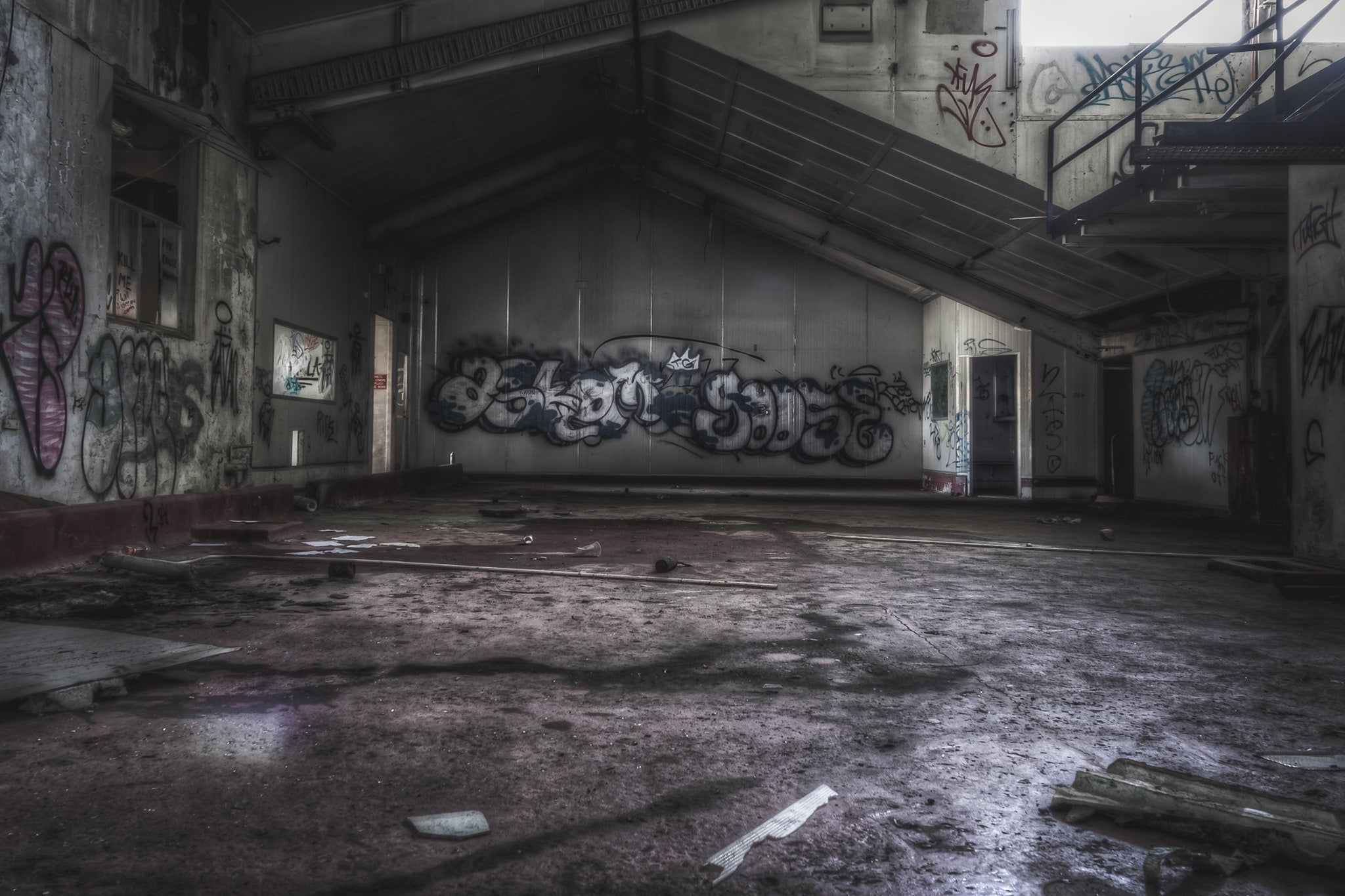
Hand-signed limited editions, printed from the original RAW file. Editions run from 100 down to 25 and are not reissued once they sell through.
Made to order by Brett in Sydney, from the original RAW file. Each print is hand-signed and numbered before it ships.
Paper
Ilford Galerie cotton rag, 310 gsm. Acrylic on metallic gloss, 260 gsm.
Lead time
Unframed: 5 to 10 business days. Framed and acrylic: 10 to 20.
Peters' Ice Cream Factory was featured in the Manning River Times & National Trust Heritage Festival by Cundletown & Lower Manning Historical Society.
Read the noteOften I'd find myself looking at the machines and architecture and challenging myself to find one single object designed purely for aesthetics. Craftsmanship made way for efficiency in engineering long before I'd even left school.
The Guardian
On the LC archive.
People talk about what it was like to work or stay in these places, who they knew, what they did, how great the Christmas parties were, that store man nobody liked, what all the different machines were, how they worked and what became of them.
Broadsheet
On the LC archive.
There's this sense of wonder you get when looking at abandoned buildings. You try to imagine what these spaces were like when they were filled with busy workers trying to meet production targets. And why did they close?
The Guardian
On the LC archive.