Refinery

Provenance

Camera
NIKON D810
Lens
14.0-24.0 mm f/2.8
Settings
14mm · f/9.0 · 1/200 · ISO 100
Paper
Ilford Galerie Smooth Cotton Rag 310 gsm

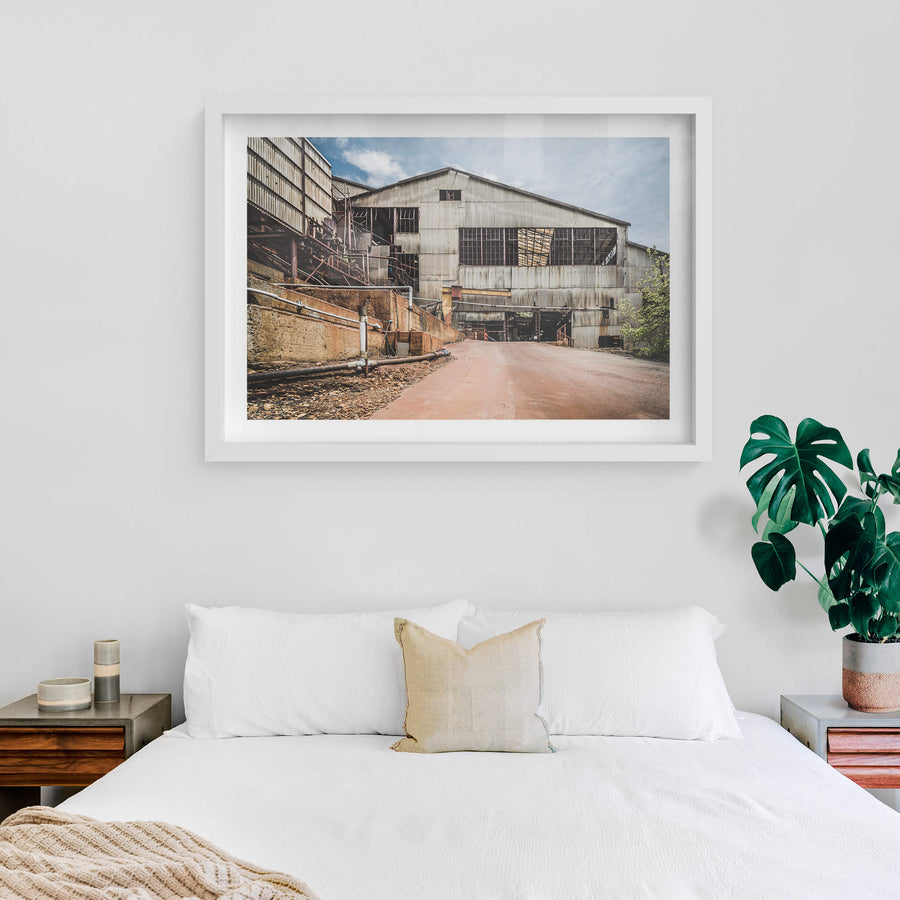
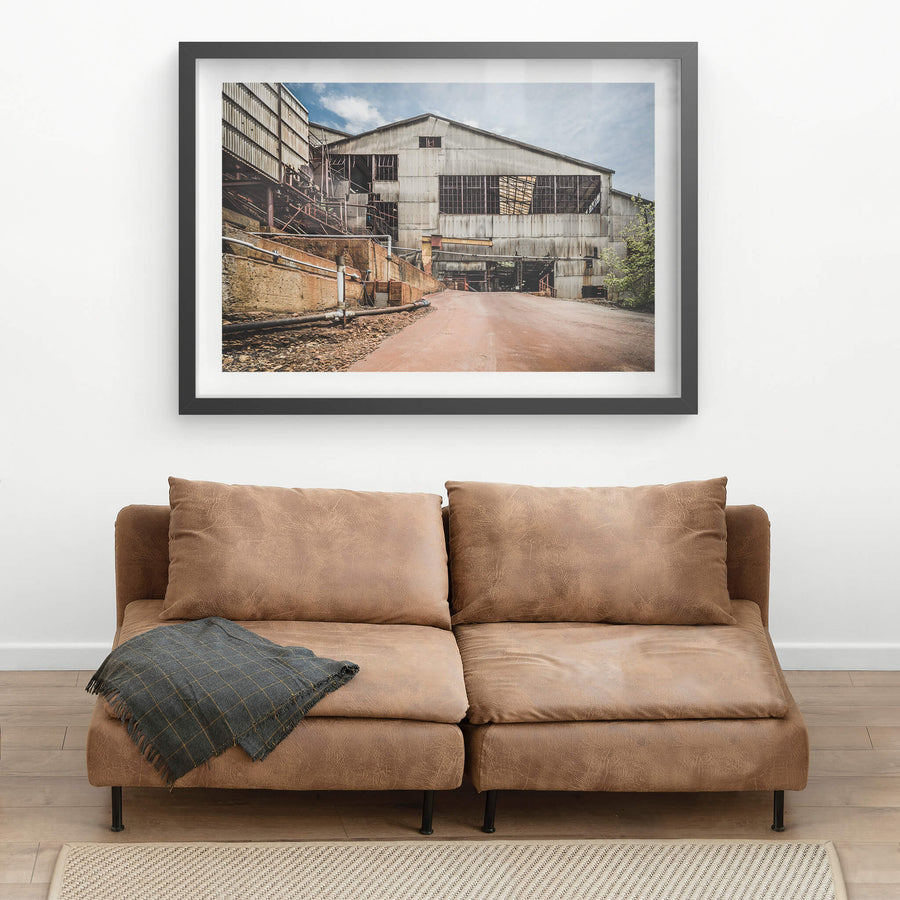
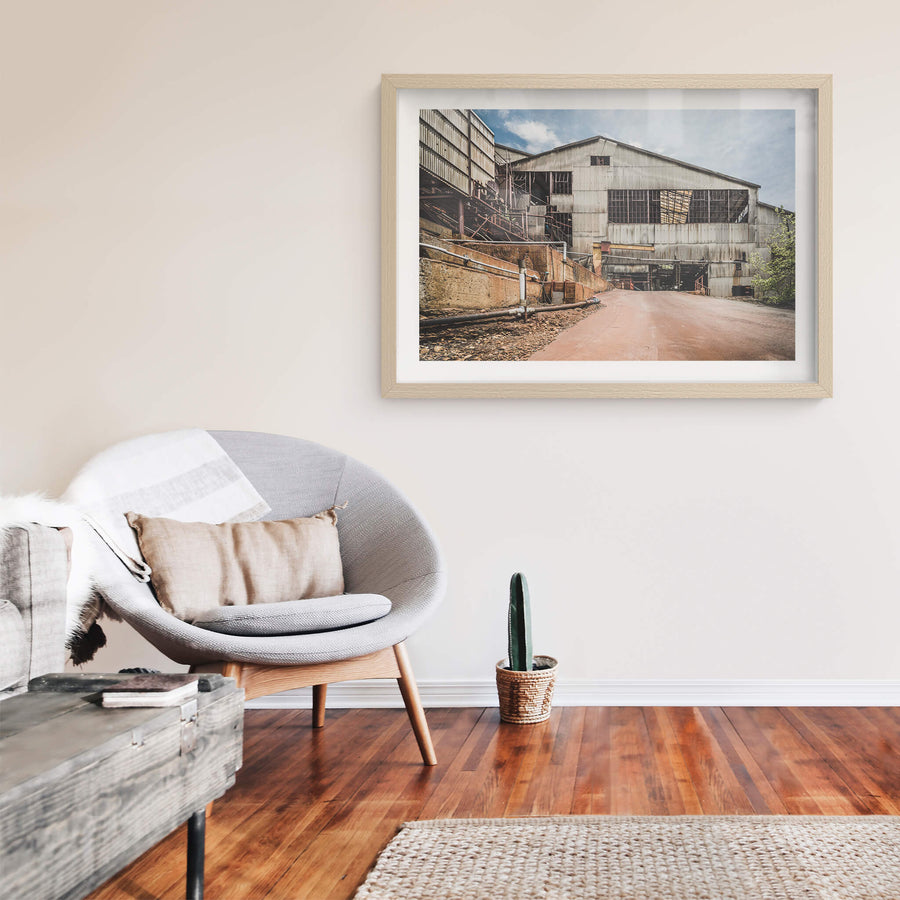
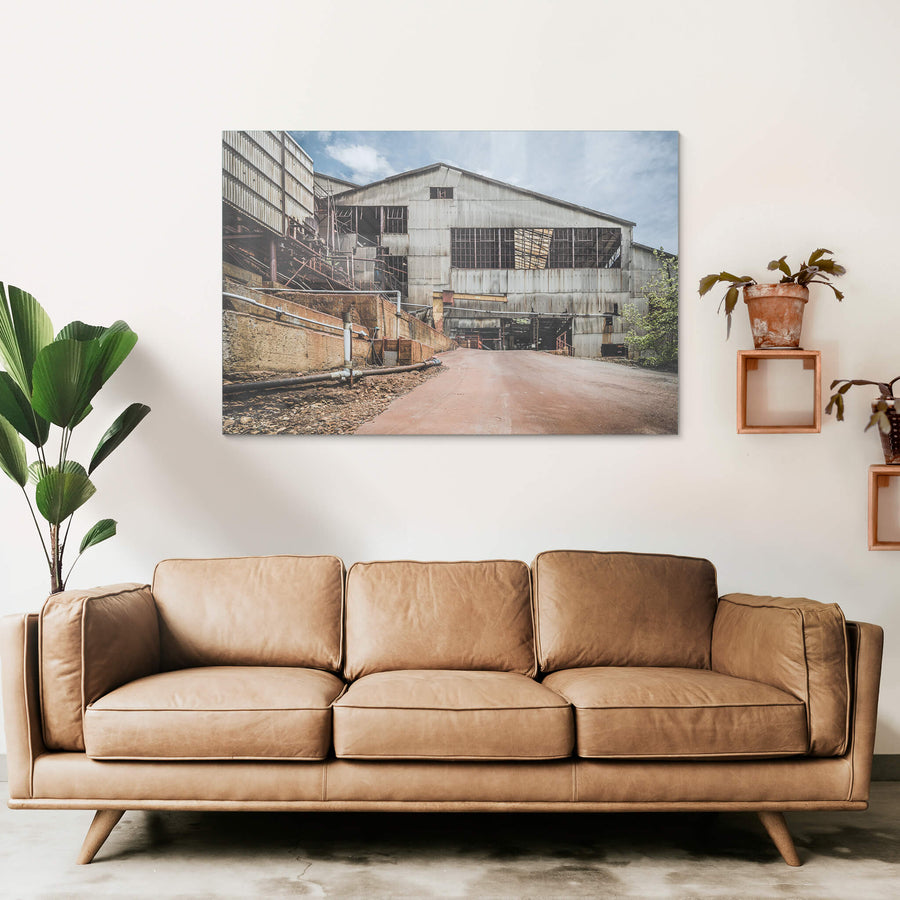
PVC pipes run through the refinery, still carrying water audible inside the hall, decades after the plant shut down. Corrugated iron clads the walls. Window frames hang open to the mountain air.

Edition
Open edition

Open edition
Printed to order, no fixed quantity. Each print is hand-signed by the photographer.

Limited edition
A fixed number of prints exist. Once sold, the edition closes permanently. Each print is individually numbered and signed.

$100.00 AUD
Size
Type
Colour
Signed, numbered, with COA. Made to order in 10 to 20 business days (framed). Shipped in protective packaging with edition certificate, paper-stock reference and a printed care guide.
See certificate sample →

Shipping Free shipping over $250. Ships worldwide, rates calculated at checkout.

Returns Damaged in transit? We replace it. Full policy →

Ships within 10 business days · signed & numbered

In situ
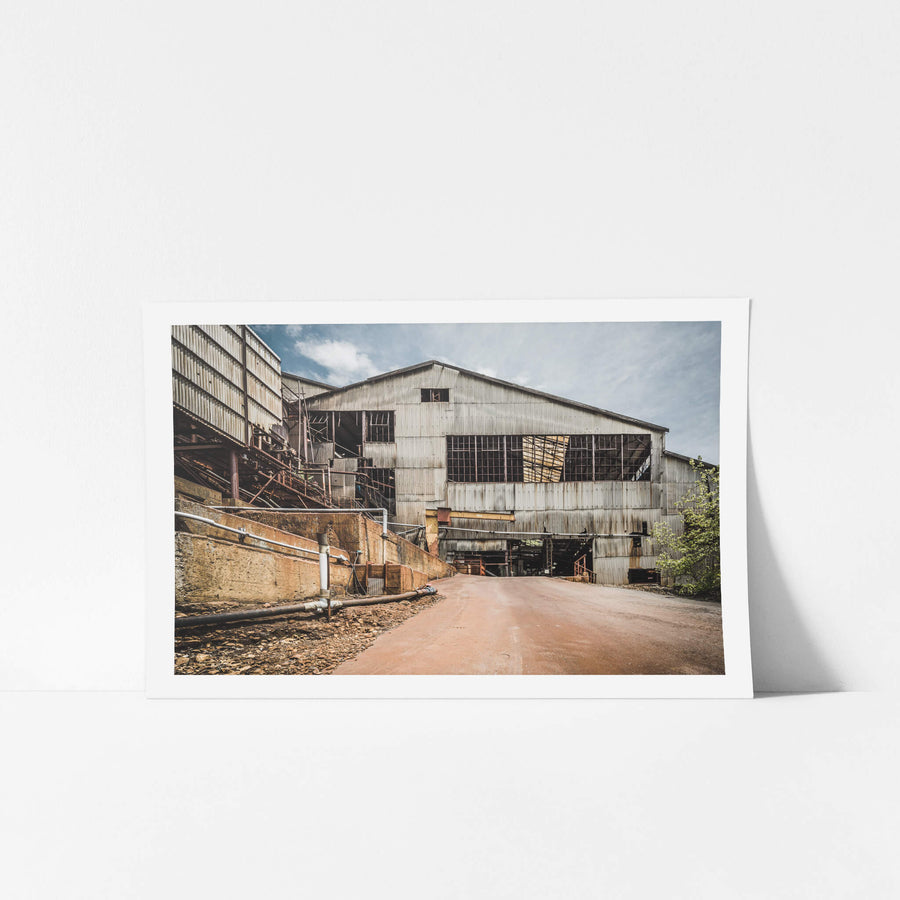
Refinery at Ashio Copper Mine, corrugated iron cladding covers the refinery building in heavy, weathered sheets.Refinery at Ashio Copper Mine, corrugated iron cladding covers the refinery building in heavy, weathered sheets.Refinery at Ashio Copper Mine, corrugated iron cladding covers the refinery building in heavy, weathered sheets.Refinery at Ashio Copper Mine, corrugated iron cladding covers the refinery building in heavy, weathered sheets.Refinery at Ashio Copper Mine, corrugated iron cladding covers the refinery building in heavy, weathered sheets.
01 PROVENANCE

Print datasheet

Title
Refinery
Series
Ashio Copper Mine
Catalogue
ACM-020
Process
Giclée
Captured
7 May 2016
Camera
NIKON D810
Lens
14.0-24.0 mm f/2.8
Aperture
f/9.0
Shutter
1/200 s
ISO
100
Focal length
14 mm
Paper
Ilford Galerie Smooth Cotton Rag 310 gsm
Paper size
290 × 200 mm
Location
Ashio, Tochigi, Japan
Recognised by
Highly Commended in Multimedia at the 2016 National Trust of Australia (NSW) Heritage Awards
02 LOCATION

Ashio, Tochigi, Japan

Map · Mapbox · OpenStreetMap

03 THE STORY

About this print

The refinery at Ashio Copper Mine occupies one of the lower levels of the processing plant, where the copper concentrate from the flotation circuit was treated to produce the final copper product. The refinery floor is a long open hall, with the lines of treatment vessels and furnaces set along the centre. Heavy structural steelwork frames the roof above. Brick-lined furnace chambers are visible at one end of the hall, their flue ducts running up through the ceiling toward the stack outside. Cooling lines and pipework run along the walls. The floor is concrete, stained with the metallic-grey residues of copper-refining process. The light here is low; the upper windows are partly bricked in to control the working temperature inside.

The refinery is where Ashio's copper concentrate became the saleable product that went down the valley by rail. The exact metallurgical processes used at the site changed across the plant's operational decades, from earlier pyrometallurgical methods to later refining circuits introduced during the Furukawa modernisations. The plant operated from 1877 onwards. The Excavation Department closed in 1973. The refinery shut at the same time. Some of the higher-value plant has been disturbed in the years since; the structural elements, the furnace chambers, and the heavier vessels are essentially as they were left.

04 FROM THE FIELD NOTES

Corrugated iron cladding covers the refinery building in heavy, weathered sheets. Rust bleeds down the walls in dark streaks. A red-dirt road curves between concrete retaining walls stained ochre by decades of mineral runoff. Steel conveyors and pipework climb the left façade at steep angles. Several cladding panels are missing or buckled, exposing the steel frame beneath. Green scrub pushes in at the edges.

Brett Patman

Ashio Copper Mine

The series

Ashio Copper Mine

2016 · 24 photographs

Furukawa Ichibei acquired the Ashio mine in 1877 with financial backing from Shibusawa Eiichi. By 1922 the operation had consolidated its three separate ore-processing plants into one. The Tsudō Ore-Dressing Plant, on the Watarase River, was held up at home and abroad as a model facility for metal mines.

View all in this series →

05 SIZE GUIDE

Print sizes

The anatomy view shows what this finish is as a physical object: paper margin, mat band, frame depth, acrylic profile. The comparison strip shows how each size sits relative to the others at true scale. Click a size or a finish to update both.

Anatomy · true ratio
TypeSizeWidthHeight
08 BY POST · NO SPAM

Read the full story

Articles when they're published. The history behind a place. The day of a shoot. The work between prints. No marketing, no schedule.

You're subscribed.