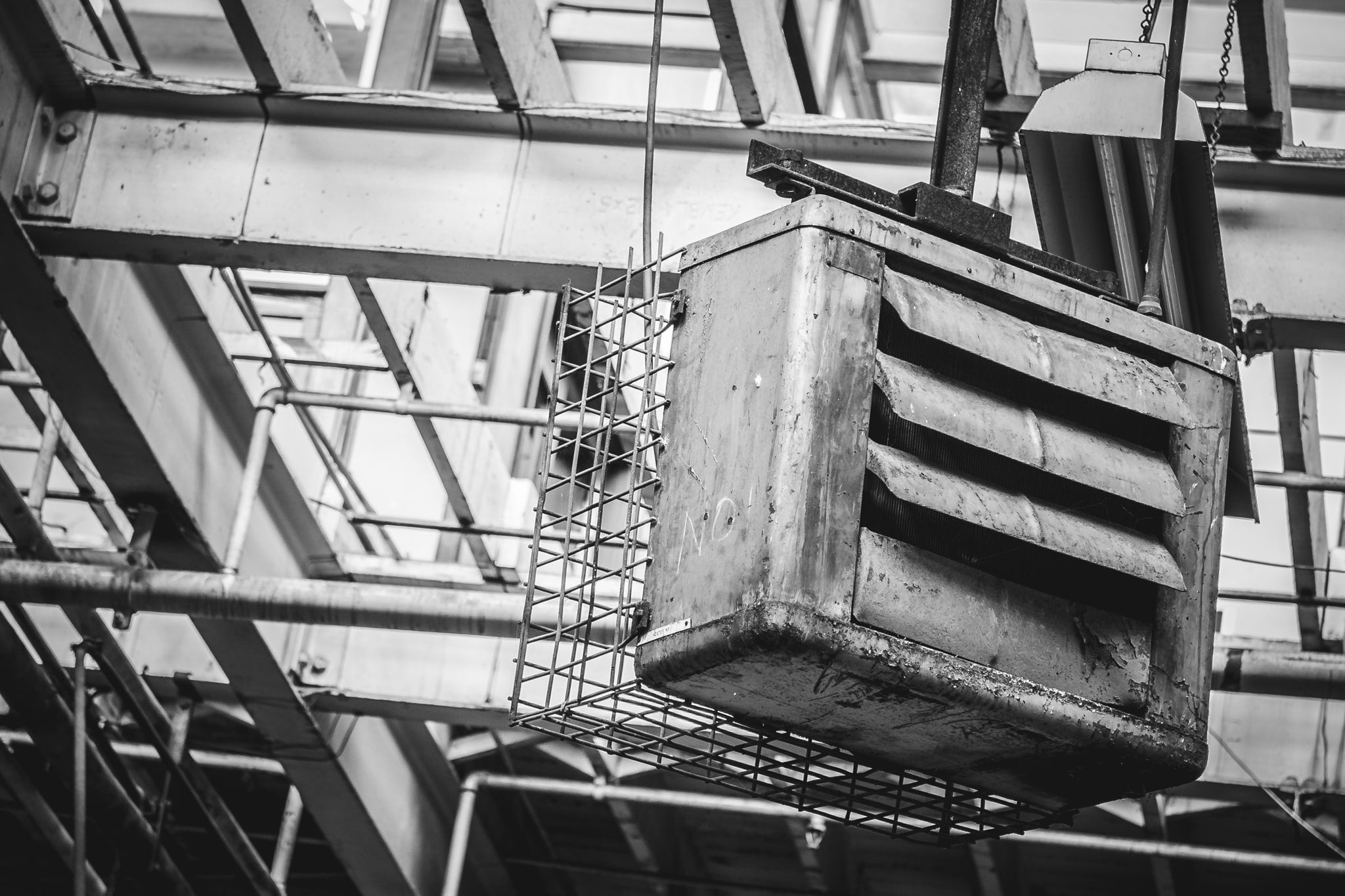
01 O-I GlassSpotswood2011
ISO 2501/13f/4.024mm
Series · 15 prints
O-I Glass
Series story
Map · Mapbox · OpenStreetMap
Alfred Felton and Frederick Grimwade founded the Melbourne Glass Bottle Works in 1872 at Graham Street, Emerald Hill, to supply their wholesale drug business. In 1890 the company purchased 12 acres on the Yarra at Spotswood and built the new manufacturing plant that would carry on glass production for over a hundred years, through Australian Glass Manufacturers, Australian Consolidated Industries, BTR and Owens-Illinois. The site was demolished by 2012, with only the 115-metre basalt wall on Douglas Parade, known to the workers as the Great Wall of Spotswood, left standing.
The plant ran continuously day and night by November 1891, with about 120 workers, 700 gross bottles a week, water gas manufactured on site and electric lighting throughout. By 1908 the works employed 500 people and produced 27 million bottles a year, with No. 1 tank alone running at 90,000 bottles a week and the day's intake reaching 20 tons of sand and 4 to 6 tons of lime and soda. The Spotswood plant specialised in soft drink bottles, while a Port Melbourne branch carried the imperial pints and half-pints for ales and stout.
In 1915 the Melbourne Glass Bottle Works Company amalgamated with the Waterloo Glass Bottle Manufacturing Company in New South Wales to form Australian Glass Manufacturers, with Spotswood as headquarters. AGM became Australian Consolidated Industries in 1939 and diversified far beyond glass into building products, plastics, paper and engineering, and the company was acquired by BTR in the late 1980s before Owens-Illinois completed its purchase of BTR Packaging worldwide on 30 April 1998. Much of the built fabric on the Booker Street, Douglas Parade, Hudson Road, Raleigh Street and Simcock Avenue site dated from the interwar period, with curved Moderne walls, steel-framed windows, decorative string courses and glass bricks.
In late 1996, BTR-Nylex threatened closure of the Spotswood site and put 59 of the 139 maintenance workers under a 19-week lockout as it imposed an Enterprise Bargaining Agreement. Sand trains from the Koala Siding near Nyora ceased in 1998 and the plant closed in January 2012; in March 2012 Star Weekly reported the buildings already demolished and the land purchased by the Victorian Government with a long-term view to arts and cultural use. The State Library of Victoria holds the David Moloney 2012 history of the site, prepared for Museum Victoria, and the surviving Mason's Patent American Fruit Jar produced under the original Melbourne Glass Bottle Works brand.
Prints in this series
Hand-signed and numbered, printed from the original RAW file. Open editions in the two smallest sizes; limited editions of 100, 50 and 25 in the three larger, never reissued once they sell through.


How they’re made
Made to order by Brett in Sydney, from the original RAW file. Each print is hand-signed and numbered before it ships.
Paper
Ilford Galerie cotton rag, 310 gsm. Acrylic on metallic gloss, 260 gsm.
Lead time
Unframed: 5 to 10 business days. Framed and acrylic: 10 to 20.